5 Fakta Seru Sirip Ikan, Lebih dari Sekadar Alat Berenang

Sirip ikan mungkin terlihat seperti bagian tubuh yang sederhana, tetapi sebenarnya memiliki struktur dan fungsi yang sangat kompleks. Berbeda dengan kaki atau tangan pada hewan darat, sirip ikan dibentuk dari kombinasi tulang duri dan membran kulit yang elastis. Namun, meskipun berbeda dalam bentuk dan komposisi, fungsinya tetap sama: membantu pergerakan. Lebih menarik lagi, sirip ikan ternyata punya banyak kegunaan lain yang tidak hanya terbatas pada berenang di air.

1. Sirip Ikan Memiliki Banyak Variasi Bentuk dan Ukuran

Setiap spesies ikan memiliki sirip dengan bentuk dan ukuran yang unik, disesuaikan dengan habitat dan gaya hidupnya. Misalnya, hiu memiliki sirip yang relatif pendek, runcing, dan tebal, dilapisi oleh lapisan kulit yang kuat. Sementara itu, ikan lele memiliki sirip yang lebih tipis dan pendek, serta dilengkapi dengan duri tajam sebagai perlindungan diri.

Ikan pari memiliki struktur sirip yang sangat berbeda karena siripnya menyatu dengan tubuh dan membentuk lembaran lebar yang mirip sayap. Bentuk ini memungkinkan ikan pari bergerak seperti “terbang” di dasar laut. Lalu, ikan cupang dikenal dengan sirip indah yang menjuntai dan berwarna-warni, membuatnya tampak sangat mencolok. Di sisi lain, ikan mola-mola (sunfish) memiliki sirip yang panjang dan besar, baik di bagian atas maupun bawah tubuh, membantu mereka bergerak stabil meski ukuran tubuhnya sangat besar.

2. Beberapa Ikan Bisa Menggunakan Sirip untuk Berjalan di Daratan

Meskipun ikan umumnya hidup di air, ada beberapa jenis yang bisa bertahan hidup di daratan untuk waktu tertentu. Contohnya adalah ikan lele dan ikan gobi, yang memiliki kemampuan untuk “berjalan” menggunakan sirip depan mereka. Dalam kondisi tertentu, seperti ketika air mengering atau musim kemarau, mereka bisa merangkak di lumpur atau rerumputan menggunakan sirip yang kuat.

Bahkan beberapa spesies hiu kecil juga diketahui mampu berjalan di permukaan karang menggunakan sirip depan. Ini adalah adaptasi yang luar biasa, menunjukkan betapa fleksibelnya sirip ikan dalam mendukung kelangsungan hidup.

3. Struktur Sirip Terdiri dari Tulang Duri dan Membran Kulit

Secara anatomi, sirip ikan tersusun atas dua elemen utama: tulang duri dan membran kulit. Tulang-tulang kecil yang membentuk struktur sirip menyerupai duri yang saling terhubung, memberi dukungan dan kekuatan. Bagian ini sering kali ditutupi oleh membran kulit yang bisa berbentuk transparan atau tebal, tergantung pada spesies ikannya.

Pada beberapa ikan, membran kulit begitu tipis sehingga struktur tulang di dalamnya terlihat jelas. Sebaliknya, pada spesies lain, membran tersebut cukup tebal untuk sepenuhnya menutupi tulang sirip, menjadikan sirip tampak padat dan solid.

4. Fungsi Sirip Tidak Hanya untuk Berenang

Selain berfungsi untuk bergerak di air, sirip ikan juga digunakan untuk berbagai tujuan lain. Misalnya, ikan terbang menggunakan sirip dadanya yang lebar dan kuat untuk melompat dari air dan melayang di udara selama beberapa detik. Kemampuan ini membantu mereka menghindari predator.

Fungsi lain yang tak kalah menarik adalah penggunaan sirip untuk menarik pasangan saat musim kawin. Ikan jantan akan menampilkan gerakan menari dan melebarkan sirip warna-warni mereka untuk menunjukkan daya tarik kepada betina. Selain itu, beberapa spesies juga menggunakan sirip untuk menakuti predator dengan cara mengembangkan sirip mereka secara tiba-tiba.

5. Ada Ikan dengan Sirip Berbisa yang Berbahaya

Beberapa ikan memiliki sirip yang tidak hanya unik tapi juga berbahaya karena mengandung racun. Contohnya adalah stonefish, scorpionfish, dan lionfish. Mereka memiliki duri tajam di sirip yang mengandung racun mematikan. Gigitan atau tusukan dari sirip ikan ini bisa menyebabkan rasa sakit hebat bahkan kematian jika tidak segera ditangani.

Stonefish dan scorpionfish memiliki duri berbisa di sirip punggung, sementara lionfish memiliki sirip yang tersebar di seluruh tubuh dengan efek racun yang sama. Oleh karena itu, perlu ekstra hati-hati saat menyelam atau bermain di lingkungan tempat ikan-ikan ini hidup.

Sirip ikan bukanlah sekadar alat untuk berenang. Dari struktur fisik hingga berbagai fungsi yang dimilikinya, sirip ikan menunjukkan keajaiban evolusi yang luar biasa. Setiap detailnya, baik bentuk, ukuran, warna, hingga fungsinya, diciptakan untuk membantu kelangsungan hidup ikan di lingkungan yang beragam.

Saksikan 5 Menit Karya Instalasi Kolaborasi Reza Rahadian di Artjog 2025

Reza Rahadian Hadirkan Karya Instalasi “Eudaimonia” di Artjog 2025

Pada gelaran seni paling dinantikan tahun ini, Artjog 2025, aktor ternama Reza Rahadian turut ambil bagian dengan menampilkan karya seni instalasi kolaboratif berjudul “Eudaimonia”. Pameran yang berlangsung dari 20 Juni hingga 31 Agustus 2025 di Jogja National Museum (JNM), Yogyakarta, menjadi wadah bagi Reza untuk membagikan perjalanan emosional dan refleksi batinnya selama 20 tahun berkarya di dunia perfilman Indonesia.

Eudaimonia: Kolaborasi Seni yang Menyentuh Jiwa

“Eudaimonia” merupakan hasil kerjasama artistik Reza dengan sejumlah seniman lintas disiplin ilmu. Di antaranya Davy Linggar sebagai fotografer dan videografer, Andra Matin sebagai arsitek, Garin Nugroho sebagai sutradara, Siko Setyanto sebagai koreografer, serta Kasimyn atau Aditya Surya Taruna sebagai komposer. Dengan latar belakang keahlian mereka masing-masing, terciptalah sebuah karya yang tidak hanya menggugah secara visual, tetapi juga menyentuh sisi emosional penonton.

Karya ini menampilkan video hitam-putih yang berdurasi lima menit. Video tersebut menunjukkan gerakan tubuh Reza yang begitu ekspresif—melipat, meliuk, meringkuk, hingga diam membeku. Tubuhnya hanya dibalut kain hitam di bagian bawah pinggang, tanpa polesan makeup, sehingga menonjolkan kesederhanaan dan keaslian. Sorotan proyektor pada layar menampilkan detail kulit, pori-pori, bulu mata, alis, hingga air mata yang menetes pelan dari matanya.

Ada momen ketika ia seperti berteriak dalam diam, ada pula saat wajahnya tertutup kain putih, atau rebah di atas genangan air. Kata-kata seperti “luka” dan “bahagia” terucap samar dari bibirnya. Kelimanya membuat para penonton larut dalam suasana ruang yang sempit, gelap, dan hening.

Refleksi Perjalanan Karier 20 Tahun

Durasi lima menit itu bukan sekadar tayangan biasa. Ini adalah momen istimewa yang mengajak penonton merenungi setiap gerakan tubuh dan rasa yang merepresentasikan perjalanan karier Reza selama dua dekade. Di balik penampilannya yang tenang, tersirat makna filosofis yang mendalam.

Judul “Eudaimonia” sendiri berasal dari filsafat Yunani kuno yang berarti hidup yang baik, kesejahteraan, atau kebahagiaan sejati. Bukan sekadar kesenangan sesaat, tetapi lebih kepada pemenuhan diri melalui tujuan yang bermakna. Bagi Reza, karya ini adalah cara ia meredefinisi arti kebahagiaan yang berbeda-beda bagi tiap individu.

“Saya sedang tidak ingin mempertontonkan karakter. Saya sedang mempertontonkan diri saya sendiri, lengkap dengan kelebihan dan kekurangannya. Tanpa polesan makeup. Hanya pakai beberapa helai kain. Jadi it’s just a purity of skin, tears, joyful, dan perasaan lain, seperti luka,” ujar Reza saat acara media gathering di JNM, Selasa, 1 Juli 2025.

Inspirasi dari Pengalaman Pribadi

Karya ini terinspirasi dari pengalaman batin Reza sendiri. Ada masa-masa awal perjuangannya, penolakan, kegagalan, hingga momen patah hati yang tak bisa dihindari. Namun, bukan berarti ia membuka semua rahasia hidupnya. Ada hal-hal yang ia anggap tidak perlu dijelaskan kepada siapa pun.

Namun, di tengah duka, ada juga pencapaian yang ia syukuri. Prestasi yang datang dari apresiasi masyarakat film Indonesia menjadi titik terang dalam perjalanan ini. Ia juga menyadari bahwa menjaga konsistensi selama 20 tahun tidaklah mudah.

Bentuk Karya Lain dalam Instalasi

Selain video pendek, “Eudaimonia” juga dilengkapi dengan sepuluh panel foto hitam-putih. Foto-foto ini menampilkan potongan adegan dari olah tubuh dan ekspresi Reza. Di ruangan yang sama, narasi “Refleksi 20 Reza Rahadian” juga dipajang dengan pencahayaan temaram yang menambah nuansa introspektif.

Artjog dan Program Spotlight

Reza Rahadian menjadi tokoh pertama yang menampilkan karyanya dalam program baru Artjog 2025, yaitu “Spotlight”. Program ini dikhususkan untuk memberikan wadah bagi korporat maupun seniman secara personal atau kolektif tanpa kurasi. Hal ini membedakan Reza dengan selebritas sebelumnya seperti Nicholas Saputra dan Happy Salma yang pernah menampilkan karya seni mereka di Artjog.

Menurut Heri Pemad, pendiri Artjog, karya Reza sangat relevan dengan tema dan visi penyelenggaraan tahun ini. “Bukan karena mereka selebritas, tapi karya-karyanya lekat dengan yang menjadi kegelisahan kami juga,” katanya.

Dengan hadirnya “Eudaimonia” di Artjog 2025, Reza Rahadian berhasil membawa dunia seni ke dimensi yang lebih personal dan filosofis. Karyanya mengingatkan kita bahwa seni bukan hanya tentang keindahan visual, tetapi juga tentang manusia, emosi, dan perjalanan jiwa yang tak pernah usai.

5 Weton Sakti Mandraguna, Hoki Melejit di Bulan Suro Menurut Primbon Jawa

Makna Bulan Suro dalam Kalender Jawa: Pintu Menuju Spiritualitas dan Perubahan Takdir

Bulan Suro, atau yang dikenal juga sebagai Muharam dalam kalender Islam, memiliki peran penting dalam tradisi kejawen. Dalam kalender Jawa, Bulan Suro tidak sekadar penanda pergantian tahun semata, tetapi merupakan bulan penuh makna spiritual yang diyakini membawa energi supranatural tinggi. Banyak masyarakat Jawa memandang bulan ini sebagai waktu sakral untuk introspeksi diri, memperkuat hubungan dengan Tuhan, serta mempersiapkan diri menghadapi takdir yang akan datang.

Bulan Terbukanya Tabir Gaib

Salah satu keyakinan yang kuat dalam tradisi Jawa adalah bahwa pada Bulan Suro, tabir dunia gaib menjadi lebih tipis. Ini berarti interaksi antara dunia manusia dan dunia metafisik lebih mudah terjadi. Energi yang meliputi bulan ini dianggap sebagai momentum di mana takdir bisa berubah secara mendadak. Keberuntungan, nasib, bahkan arah hidup seseorang bisa saja bergeser dalam waktu singkat.

Karena itulah, banyak orang Jawa khususnya yang masih menjunjung nilai-nilai leluhur melakukan berbagai praktik spiritual selama Bulan Suro. Meditasi, tirakat, puasa, hingga ritual ziarah ke tempat-tempat keramat dilakukan untuk menyelaraskan jiwa dan pikiran dengan alam semesta.

Praktik Spiritual yang Dilakukan Saat Suro

Ada beberapa bentuk ibadah dan tirakat yang biasa dilakukan oleh masyarakat Jawa saat Bulan Suro tiba:

  • Membaca doa dan wirid khusus – Sebagian orang membaca wirid tertentu seperti Surat Al-Fatihah, Surat Al-Kautsar, atau dzikir-dzikir pendek sepanjang malam sebagai bentuk permohonan perlindungan dan limpahan rezeki.
  • Tirakat tidak makan atau minum selama 24 jam – Meskipun mirip dengan puasa, tirakat ini lebih ketat karena tidak hanya menahan makan dan minum, tetapi juga diam (tidak banyak bicara) dan menjaga niat suci.
  • Mandi Limo Larangan – Ritual mandi menggunakan lima jenis bunga yang ditujukan untuk membersihkan diri secara lahir dan batin.
  • Ziarah ke makam leluhur atau tempat keramat – Masyarakat percaya bahwa kunjungan ke tempat-tempat tersebut dapat memberikan petunjuk spiritual serta restu dari para pendahulu.
  • Menjauhi hal-hal yang dianggap negatif – Ada larangan-larangan tertentu seperti tidak bepergian jauh, tidak menikah, atau tidak melakukan pembangunan rumah, agar tidak mengganggu keseimbangan energi Suro.

Bulan untuk Refleksi dan Awal Baru

Selain sebagai bulan spiritual, Suro juga merupakan simbol awal baru. Bagi mereka yang mempercayainya, ini adalah kesempatan untuk merenungkan apa yang telah terjadi di masa lalu, serta menetapkan niat dan tujuan hidup untuk tahun mendatang. Seperti halnya tahun baru modern, Suro juga menjadi momen reflektif yang sangat mendalam.

Dengan segala makna yang terkandung di dalamnya, Bulan Suro bukanlah bulan yang harus ditakuti. Justru, ia adalah kesempatan bagi siapa pun yang ingin lebih dekat dengan Sang Pencipta, meningkatkan kesadaran spiritual, dan membuka hati untuk perubahan positif.

China’s Trade with Pakistan Soars to $23 Billion in Latest Figures

Pakistan, June 25 — As of June 23, a total of 163 trade agreements have been signed at the 9th China-South Asia Expo, with a combined contract value of 8.663 billion yuan.

According to the Yunnan Provincial Department of Commerce, 150 of these are formal agreements worth 8.3 billion yuan, 12 are letters of intent totaling 213 million yuan, and one is a framework procurement agreement valued at 150 million yuan.

Professor Lin Minwang, Vice Dean of the Institute of International Studies at Fudan University, shared his views in an interview with China Economic Net:

“China and South Asian countries share a common vision for the future and the world. We all hope for a stable international order and resilient supply chains. Right now, both sides are working toward deeper interconnection.

In today’s turbulent global landscape, our shared interests are growing. China is strong in industrialization, while many South Asian countries excel in agriculture.

This complementarity creates significant potential for future economic cooperation.”

Xu Bu, member of the UN Secretary-General’s High-Level Advisory Board on Effective Multilateralism and President of the Institute of Global Development and Security at Jiangsu University, provided further insight in an exclusive interview with China Economic Net:

“When we talk about multilateralism today, it’s unfortunate that the global system is not functioning as effectively as it should.

However, multilateral cooperation in the Asia-Pacific region is advancing rapidly. China’s partnerships with both South and Southeast Asian nations are strengthening regional multilateral frameworks that benefit all parties involved.

The China-South Asia Expo is a crucial platform that supports this progress. It has facilitated significant economic cooperation-not just between China and South Asia, but also with Southeast Asia.

For instance, China’s bilateral trade with Pakistan has exceeded $23 billion, and with India, over $150 billion. Regional economic cooperation is on a constructive path, but we must not take it for granted.

Continuous efforts are needed to safeguard and sustain cooperation-whether in economics, security, or politics.”

Amid a global realignment of trade, regional cooperation is emerging as a key strategy for navigating uncertainty and promoting shared prosperity.

In this context, China’s deepening ties with South and Southeast Asian countries have gained remarkable traction.

Events like the China-South Asia Expo are playing an active role in integrating regional supply chains and enhancing market connectivity.

Zhou Mi, a researcher at the Chinese Academy of International Trade and Economic Cooperation, emphasized Asia’s unique strengths: a combined consumer market of 2.8 billion people, representing immense potential, and strong institutional frameworks like the Regional Comprehensive Economic Partnership (RCEP).

“These factors,” he noted, “create ideal conditions for building a more cohesive regional economic community.” He added:”In my view, regional collaboration presents a powerful package for long-term development.

If we look back at North America-take NAFTA, for example, established in 1994-it was built on the developmental differences between the U.S., Canada, and Mexico, which helped foster vertical integration along the supply chain.

Similarly, China, Southeast Asia, and South Asia, with their vast populations and diverse development stages, offer immense opportunities.

The RCEP negotiations began in November 2012, led by ASEAN and initially involving its six existing FTA partners (China, Japan, South Korea, Australia, New Zealand, and India). We hope to strengthen these types of mechanism further, ensuring collaboration is grounded in mutual commitments.

These commitments can shape expectations and lay the foundation for a new, globally significant platform for cooperation and development.”

Raila Odinga Urges Leaders to Take Sides: “Now Is Not the Time for Neutrality” in Iran-Israel Conflict


  • Raila Odinga called on world leaders to break their silence and take a stand on the escalating conflict between Israel and Iran, warning of a looming global war

  • The ODM leader made the remarks while addressing residents of Jomvu in Mombasa county, where he criticised what he termed as silence in the face of grave injustice

  • He condemned Israeli attacks on Palestinians and recent strikes on Iran, urging the international community to push for a lasting solution through the creation of a sovereign Palestinian state


News.co.ke journalist Harry Ivan Mboto has over three years of experience reporting on politics and current affairs in Kenya

As tensions in the Middle East continued to rise, ODM leader Raila Odinga broke his silence and urged others to do the same, warning that humanity was staring at the real possibility of a third world war.

Speaking in Jomvu, Mombasa county, on Tuesday, June 24, Raila addressed the ongoing hostilities between Iran and Israel, which have recently drawn in the United States.

He urged global leaders to speak up and take clear positions, saying the world could not afford to remain neutral in such a critical moment.

“The world is burning. Bombs are being dropped. Iran and Israel are at war, and America has also joined. Yet leaders are shying away from speaking about it. This is a very important matter,” he stated.

What did Raila say about Israel, Iran war?

Raila expressed concern over what he described as acts of aggression by Israel, particularly in Gaza.

He said civilians, including women and children, had for years suffered bombardment, which he labelled crimes against humanity. According to him, recent events in the region had only worsened the situation.

“You have seen what is happening in Gaza. For a long time, women and children have been bombed and killed by Israel. Even now, many Palestinians are being killed. That is an act that must be condemned,” he said.

He added that Israel had carried out an unprovoked attack on Iran earlier in the day, followed by retaliatory strikes involving the United States.

He criticised these actions, saying they undermined peace and could ignite wider conflict.

“The US has also followed and bombed Iran. That is not right. We are telling the warmongers to stop, so that there can be peace,” Raila said.

To prevent further bloodshed, the veteran politician called for a long-term political solution to the Palestinian question.

He advocated for the establishment of a unified and free Palestinian state, arguing that this was the only sustainable path to lasting peace in the region.

Raila made it clear that his sentiments reflected both his personal beliefs and the position of the ODM party.

Did Trump broker peace between Israel and Iran?

In a related development reported by

News.co.ke

, US President Donald Trump announced that a ceasefire had been reached between Israel and Iran after nearly two weeks of escalating conflict.

His declaration came just hours after Iran launched missiles at a US military base in Qatar, a move that followed American strikes on Iran’s nuclear facilities. Trump claimed the truce was secured with Qatar’s help and described it as a diplomatic win.

The situation, however, remained tense. Iran’s leadership pushed back against claims of an official agreement, saying attacks would only stop if Israel ceased its military operations.

Shareholders Laud Directors at Amenfiman Rural Bank

  • shareholders get 42% returns on investment
  • board issues 100% bonus shares to existing shareholders


By Seth KRAMPAH & Elizabeth PUNSU, Wasa Akropong

Shareholders of Amenfiman Rural Bank PLC at Wassa Akropong in the Wassa Amenfi East Municipality of the Western Region has given a huge part at the back of the Board of Directors for the prudent management of their investments over the years.

The Directors have proposed a cash dividend payment of GH₵0.085 per share to shareholders and issued a bonus of one additional share for every existing share—amounting to over GH₵16.6 million for the 2024 financial year.

Presenting his report at the 41st Annual General Meeting (AGM) of shareholders, Chairman of the Board of Directors, Prof. Lucas Nana Wiredu Damoah, attributed the gains to the Bank’s financial stability during the year under review.


Profitability

According to the Board Chairman, the Bank’s net operating profit before tax increased by an impressive 271%, soaring from GH₵24 million in 2023 to GH₵89 million in 2024.

Additionally, return on equity rose to 48.28% in 2024, up from 23.02% the previous year. This positive growth was also reflected in other indicators such as the return on assets, return on capital employed, and earnings per share.

The Bank recorded a net profit after tax of GH₵55.3 million for 2024 year under review, a significant improvement from GH₵16.8 million in the previous year. The Bank’s profit margin experienced a strong and encouraging increase, driven by its strategic focus on cost management and a deliberate shift toward active portfolio management and diversification of investment and loan products.

The Bank’s return on equity of 48.28% significantly surpassed the industry average of 31.41% and its 2023 performance. This figure reflects not only growth in shareholder funds and profit before tax but also highlights the Bank’s exceptional ability to enhance financial performance.


Total Assets

The Bank’s growth in deposits, loans, and revenue was reflected in a balance sheet size exceeding GH₵901 million at the end of 2024. Prof. Damoah noted that this strong asset growth was a result of effective management, strong leadership, and committed staff.

Total assets rose from GH₵876 million in 2023 to GH₵1.7 billion in 2024, a 103% increase, driven by loan disbursements, investments, and deposit mobilization. The Bank’s credit portfolio recorded significant growth, reflecting a focus on expanding credit facilities to support local businesses.


Stated Capital Review

In 2024, the Bank made substantial progress in strengthening its capital base to support its growth plan while complying with regulatory requirements. Stated capital rose from GH¢9.67 million to GH¢15 million, representing a 55.12% increase.

This capital growth further strengthened the Bank’s financial base, making it more resilient in pursuing strategic objectives. To ensure continued strength and reliability, Prof. Damoah stated that the Board and Management had adopted a proactive and strategic approach to capital management.


Operational and Financial Performance

Through prudent financial management, customer-centric innovation, and strong internal controls, the Bank recorded a 102% growth in deposits and a 103% increase in balance sheet size. Deposits grew from GH₵768 million to GH₵1.55 billion, while the balance sheet rose from GH₵876 million to GH₵1.77 billion.

This growth aligns with the Bank’s five-year strategic plan and enhances its ability to drive credit delivery and boost earnings. Total credit delivery for 2024 reached GH₵880 million, with the loan portfolio growing from GH₵207.5 million to GH₵619 million, a nearly 200% increase.

The Board Chairman noted that the Bank is committed to supporting SMEs, with a special focus on education, women-led, and youth-led businesses. In 2024, the Bank rolled out several initiatives aimed at enhancing credit access in these sectors, including interest rate reductions on all loan products.

In June 2024, the Donkomi Promotion was launched to provide more credit access and higher loan values to clients. The Bank has also formed strategic partnerships to support investments in startups, women, and youth-led businesses, including building staff capacity to manage long-term loans.

Throughout the year, the Bank met prudential requirements for both primary and secondary reserves. It also enhanced loan delivery to susu and microfinance clients—programmes aimed at economic empowerment and poverty reduction.

Assets grew by GH₵900.7 million, driven by increased loans and advances and investments in government securities. Net interest income rose by 50.54%, benefiting from higher loan interest rates. The Bank continued to serve its key client groups—smallholder farmers, traders, women entrepreneurs, and rural households.


Operating Income Review

Total income for 2024 rose from GH₵133 million in 2023 to GH₵274 million, a 105.35% increase representing GH₵141 million in additional revenue.

Despite a volatile start to the year due to the Domestic Debt Exchange Programme (DDEP), the Bank successfully managed credit risks and increased income from loans and advances. Interest income contributed 92.98% of total revenue, with the rest coming from investments and service charges.


Corporate Social Responsibility

According to Prof. Damoah, the Bank spent over GH₵1.3 million on Corporate Social Responsibility (CSR) in 2024, supporting health, education, sports, agriculture, and other social causes.


Future Outlook

In an interview with

Business & Financial Times

, Chief Executive Officer, Dr Alexander Asmah expressed optimism about the Bank’s future. Guided by its mission and strategic plan, the Bank intends to seek regulatory approval to open new branches in Wassa Japa, Takoradi, and the Ridge Area of Kumasi, to improve accessibility and outreach.


Regulatory Commendation

Managing Director of ARB Apex Bank, Alex Awuah, praised the Board, Management, and staff of Amenfiman Rural Bank for their dedication to growth and development, describing it as the leading rural bank in Ghana.

He also encouraged shareholders to increase their holdings, noting the attractive dividends as a strong incentive.

Some shareholders of the Bank could not hide their joy over the dividends received. In an interview with journalists, Anthony Peter Amissah commended the management of the Bank for their hard work in ensuring that shareholders reap benefits from their investments. He therefore encouraged others to purchase shares in the Bank to enjoy good returns.

Provided by SyndiGate Media Inc. (
Syndigate.info
).

Foundation Grants N5M to Empower Young Entrepreneurs: International Edition (English)

The Ishk Tolaram Foundation has awarded N5m in business grants to selected youth entrepreneurs under its Alumni Business Grant initiative.

The Programme Director of the Foundation, Oje Ivagba, disclosed this at the Alumni Business Grant Awards held recently in Lagos.

According to him, the grant is aimed at supporting alumni of the Foundation’s vocational training programme who are already running nano businesses to help them transition into small businesses by providing funding to acquire advanced tools and equipment needed to scale.

“We have trained over 1,300 young Nigerians since the launch of the Each Skills Up vocational programme in 2021. However, we discovered that even after training, many of our alumni are unable to grow their businesses due to the high cost of technical tools,” Ivagba said.

“This grant is our way of deepening our contribution to their journey and being the kind of support system they need, especially given the complexities of accessing funding at their level,” he added.

He revealed that the Foundation is supporting 18 awardees this year with funding tailored to their specific needs, with individual grants up to N300,000.

He also noted that the Foundation is seeking partnerships with like-minded organisations and financial institutions to scale the initiative and reach more young people.

Additionally, Abiola Oyeneye, the programme manager of the foundation, explained that the selection process was inclusive, encompassing various skills such as fashion design, plumbing, carpentry, masonry, and cutting across genders.

“The application process was kept simple and accessible, understanding the varying literacy levels of our alumni. We received several applications which went through a three-stage process: application, review by a panel of four judges, and a final in-person interview to assess their business ideas and commitment,” Oyeneye said.

He noted that over 60 per cent of the Foundation’s alumni have already started or expanded businesses but still face limitations due to lack of tools and financing.

“Many of them borrow or rent essential tools to take on jobs. With this support, they can now own these tools, increase their capacity, take on more jobs, and improve their income and social impact,” she added.

In his goodwill message, the Director of the Youth Development Department at the Ministry of Youth and Social Development, Saka Abdulateef, commended the Foundation’s efforts in empowering young people in practical, sustainable ways.

“This initiative is a shining example of meaningful youth empowerment. Empowering our youth with skills and also supporting them to scale is the type of intervention we need to replicate across the country,” Abdulateef stated.

He urged the beneficiaries to utilise the grants responsibly to grow their businesses, create jobs, and contribute positively to their communities.

In his remarks, the South-West Zonal Director of the Industrial Training Fund, Awoniyi Omoniyi, commended the Foundation for its commitment to youth development and skills empowerment.

He noted that initiatives like the alumni business grant align with ITF’s mandate to promote technical and vocational training across the country.


The Foundation said it trains over 500 young people annually, with a growing alumni base exceeding 2,000. It expressed its commitment to continue supporting at least 50 high-performing alumni each year, with possibilities of expansion through collaboration.

Provided by SyndiGate Media Inc. (
Syndigate.info
).

Zinox Chair Urges Entrepreneurs: Build Wealth and Transform Tomorrow!

Chairman of Zinox Group, Leo Stan Ekeh, has urged young Nigerian entrepreneurs to focus on building lasting systems that drive national development rather than chasing quick wealth.

Ekeh gave this advice while addressing a gathering of young business leaders, where he shared insights drawn from his decades-long experience in building one of Africa’s foremost technology conglomerates.

Reflecting on his early career decisions, Ekeh revealed that after graduating from the University of Punjab in India, he proceeded to Cork City University in Ireland for a postgraduate programme in computer science.

At the time, he said, he received enticing job offers from global tech giants, including one from Silicon Valley-based Apple.

“But I chose to return home,” Ekeh explained in an email to The PUNCH. “I founded Zinox to create confidence and faith in our digital economy and to equip the next generation with the capacity to navigate the digital storm ahead.”

According to him, the decision to forgo a comfortable career abroad for the uncertainties of Nigeria’s fledgling digital economy was rooted in conviction and a desire to build systems that could outlive him.

He said his early efforts helped modernise the Nigerian media and advertising industries by introducing desktop publishing and computer graphics, transforming operations at major firms such as Daily Times, Vanguard, University Press, and Longman. These interventions laid the groundwork for Nigeria’s present-day creative and digital ecosystems.

Ekeh also recounted how, through strategic partnerships and relentless advocacy, he helped bring global Original Equipment Manufacturers like HP, Microsoft, Apple, Dell Technologies, and Amazon to the Nigerian market.

“This created a competitive, innovative technology environment that the current generation is now benefiting from,” he noted.

He highlighted his role in Nigeria’s democratic transformation, citing the 2010 digital deployment project with the Independent National Electoral Commission, which he described as the largest single ICT rollout in Africa at the time, adding that similar technology deployments had since been executed in Guinea-Bissau.

In the energy sector, Ekeh said his company pioneered the use of digital fuel dispensers and supported multinational companies such as Shell, Chevron and Total with critical technology infrastructure.

“In Gambia, we also delivered the largest single e-library and wireless cloud rollout project,” he said.

The Zinox Group, under his leadership, has since evolved into a global business empire with interests in e-commerce, real estate, pharmaceuticals, entertainment, and manufacturing.

Despite enduring personal losses, blackmail, and policy obstacles, Ekeh said he remained committed to his vision of building lasting value for Nigeria.

In his remarks, he warned young entrepreneurs against being distracted by short-term wealth or influenced by those he described as “respected but corrupt individuals acting against the country’s best interests”.

“True patriotism”, he said, “lies in building systems that serve Nigeria’s long-term prosperity, not individual gain.”

Ekeh also highlighted Nigeria’s rising digital footprint, noting that the country’s digital economy, which was practically non-existent in the 1990s, now contributes nearly 20 per cent to GDP, supported by 163 million internet users and a fintech sector that processed N611 tn in 2023.

To further deepen impact, he unveiled a plan to train 10,000 female tech professionals over the next five years.

“We’ve already graduated 400 women this year. Empowering women in tech is essential to closing the gender gap,” he said.

He concluded by calling on the next generation to build with discipline, vision, and purpose: “The future belongs to those who prepare for it. Build systems. Build people. And build a country you can be proud of.”

Provided by SyndiGate Media Inc. (
Syndigate.info
).

China Leads Global Hydropower Surge as Energy Storage Grows: Report

China accounted for almost all of Asia’s new hydropower capacity in 2024 as it bets on pumped storage to cope with a changing climate

China continued to play a dominant role in global hydropower development in 2024, accounting for the vast majority of Asia’s newly added capacity as it invests heavily in
energy storage solutions
, according to a new report.

The country was responsible for 14.4 gigawatts of the 24.6GW of new hydropower capacity that came online globally last year, as it bets big on the energy source as an effective way to maintain a stable grid amid the green transition.

More than half of the hydropower capacity China added last year came in the form of pumped storage hydropower (PSH) projects, which store massive amounts of water in reservoirs that can then be released when an electricity grid is running low on power, according to the International Hydropower Association study released on Wednesday.

Do you have questions about the biggest topics and trends from around the world? Get the answers with
SCMP Knowledge
, our new platform of curated content with explainers, FAQs, analyses and infographics brought to you by our award-winning team.

The energy storage technology is becoming increasingly popular around the world, with governments searching for ways to
cope with large fluctuations in solar and wind energy
without resorting to fossil fuels.

China has doubled down on its dam-building spree since 2020, when Beijing set a target of achieving carbon neutrality by 2060.

“With more than 200GW of PSH projects under construction or approved, China is on track to exceed its 2030 target of 120GW, potentially reaching 130GW by the end of the decade,” the study said.

China currently has nearly 436GW of installed hydropower capacity, which represents more than three-quarters of Asia’s total capacity, according to the report.

The country’s dominance in hydropower
mirrors its lead in other forms of renewable energy
. China’s solar and wind capacity had surpassed 1,200GW by the end of 2024, meaning the country had already reached a milestone originally targeted for 2030, the report noted.

In February, the National Development and Reform Commission and the National Energy Administration issued a joint notice on enhancing pricing reforms for electricity generated from renewable energy sources.

“China’s renewable energy sector has taken a lead in the world, but to ensure long-term strength and healthy development, it must be tested in a competitive market environment,” Liu Manping, an economist at the NDRC, told state news agency Xinhua at the time.

China is not the only country investing in hydropower. Countries including Australia, Vietnam, Thailand, Laos and the Philippines are also advancing new projects and refining regulatory frameworks to support the industry’s development, the report said.

Malcolm Turnbull, the president of the International Hydropower Association, said global hydropower investment was “accelerating” after several years of “stagnation”, but added that the industry still needed more support.

“Hydropower is playing an increasingly vital role in the global energy transition,” he said. “Continued momentum will require bold policy action, including reforms to reward hydropower’s multiple benefits, and faster permitting.”

Despite strong momentum, the international lobby group added that hydropower projects in the Asia-Pacific region “continue to face significant headwinds outside China.”

“Financing remains a major constraint, with high upfront costs and long payback periods limiting private sector involvement,” it noted. “In many markets, the absence of clear mechanisms for valuing capacity services makes it harder for developers to secure investment.”

More Articles from SCMP

Does Iran need change? That’s up to Iranians to decide

How HKMoA became Hong Kong’s first public art gallery with a private donation

Institute of Philanthropy and Jockey Club join forces to support Nurturing Future InnoTech Talent Project

HKEX roars back on silver anniversary to remember with pride

This article originally appeared on the South China Morning Post (www.scmp.com), the leading news media reporting on China and Asia.

Copyright (c) 2025. South China Morning Post Publishers Ltd. All rights reserved.

EUAN McCOLM: Civil Servants’ Benefits Spark Fury


  • Click here to visit the Scotland home page for the latest news and sport

The sense of entitlement is, at once, both infuriating and entirely unsurprising.

Pampered Scottish Government officials have grown accustomed, since the
Coronavirus
pandemic forced the temporary closure of offices, to working from home.

This emergency protocol was established for excellent reasons: in the months before a vaccine was created, Covid-19 presented a devastating threat to life. Of course it made sense for workers across the public and private sectors to carry out their duties far from the risk of infection.

But, thanks to the development of effective vaccines against the deadly virus, there is no longer any need for employees to stay away from their offices. Indeed, it is some years since such a measure was necessary, or even appropriate.

Yet, long after the threat from the virus was diminished, many Scottish Government civil servants continue to work from home. And many of them appear to have decided that’s the way things should stay.

For most Scots workers, going back to the office was not a matter of choice. It was, simply, a return to normality. But Scottish Government bureaucrats don’t reckon those rules apply to them.

Following an order that they should return to their offices for just two days a week, toys were ejected from prams across the country. How dare anyone expect these very important people to actually turn up at work?

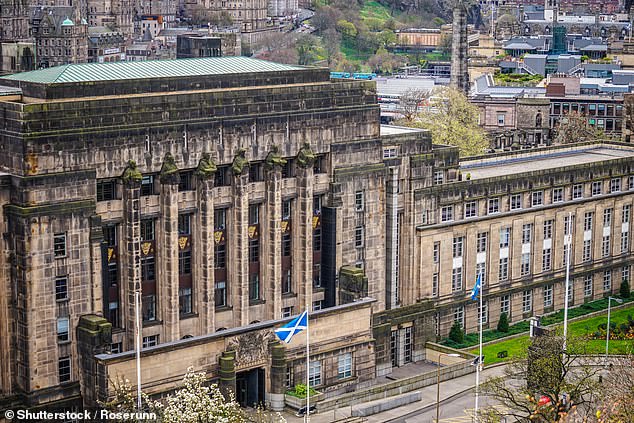
An edict stating that 9,300 Scottish Government staff who have been allowed “hybrid” working arrangements since Covid should start spending two days a week in offices by autumn fuelled a backlash among mandarins, with some demanding special treatment simply for getting back behind their desks.


Using the government’s internal communications network, Saltire, staff bitterly complained about the hardship they would face if they had to actually turn up at the office to do the jobs for which they are so handsomely paid.

There were been demands for a swimming pool at the government’s Victoria Quay building to reopen, complaints that making staff come to work is unfair on their pets, and even questions over whether workers’ human rights are being breached by the order.

And, of course, there were calls for a pay rise, as if simply carrying out one’s contractual obligations represented a great personal sacrifice.

Senior managers within the Scottish Government want to cut back on the amount of time people work from home for the very good reason that they wish to boost productivity. It turns out that leaving entitled bureaucrats to their own devices is not good for efficiency.

I find it impossible to disagree with Conservative MSP Stephen Kerr’s view that those civil servants now complaining about the order to go to the office for a mere two days a week are “divorced from reality”.

Should you need persuading this is so, consider this comment from one civil servant: “Many have made big decisions based on balance — whether that be starting a family, getting a pet, getting rid of cars; down to things like starting a new fitness class, being able to take that longer lunchtime walk for their mental health or meet a friend after work because there is no commute. The prospect of that now being taken away is undoubtedly causing stress and anxiety.”

The wee lambs.

For workers across the private sector, refusal to come to work would be considered a matter of gross misconduct and instant dismissal would follow.

Click here to visit the Scotland home page for the latest news and sport

These same rules should apply to civil servants.

While the backlash from bureaucrats is enough to make the blood boil, who can say they find it surprising?

The culture of any organisation is set at the top and we have grown grimly accustomed to those who govern us acting as if they are entitled to special treatment.

We have watched as First Minister after First Minister has stood behind colleagues who – in the private sector – would have been sacked for incompetence. Why would a civil servant feel the need to perform their duties to any kind of acceptable standard when, for example, health secretary Neil Gray – of taking-a-limo-to-the-pub fame – remains in post? Why would a mandarin feel compelled to turn up to work when so many members of the Government act as if the standards by which the rest of us live and work are for the little people?

There would be something comical about highly-paid civil servants complaining about having to sit at their desks if Scotland’s public service were not in such a parlous state.

The SNP have made swingeing cuts to departmental budgets, stripping back services from social work to health to bin collections.

Meanwhile, ministers have retained a monomaniacal focus on the matter of Scottish independence. Not only have those in charge put their constitutional obsession before, for example, the need for a working NHS, they have diverted staff from vitally important work.

All of the hours spent planning for a second independence referendum that the Scottish Government has no right to run could – should – have been spent on the issues that truly matter to voters.

Amid the fear and anxiety created by the pandemic, there were some positives, not least the creation of a sense of community. As old social hierarchies crumbled, the feeling that we were all in it together was very real, indeed. The urge to play one’s part was strong and reassuringly widespread.

For most of us, life has got back to normal but for others, the need for friends and family to rally round endures.

There are those, of course, who live with the physical effects of Coronavirus long after infection. Others continue to pay a heavy financial cost.

The UK Government’s furlough scheme ensured wages were paid during the worst months of the pandemic but countless jobs lost – particularly in the retail and hospitality sectors – look unlikely ever to be replaced.

The “suffering” of a highly-paid mandarin, asked to come to work two days a week – without even having access to a swimming pool – doesn’t compare to that of someone whose career was destroyed by the pandemic, does it?

There is a case for the intervention of First Minister John Swinney, here.

I suggest he contacts those civil servants complaining about the return-to-the-office demand and makes them a generous offer: They can do as they are told or they can leave and find work more suited to their fragile temperaments.

There are plenty of hardworking Scots ready to step up.

Read more