


-
READ MORE: I’m one of the first Americans to be cured of type 1 diabetes
Ten people have been effectively cured of their type 1
diabetes
after a breakthrough infusion of stem cells on the path toward
FDA
approval.
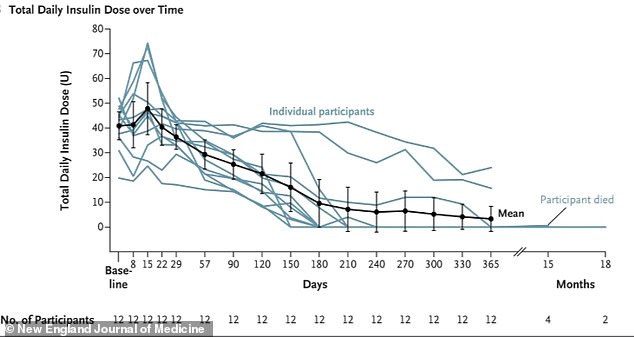
One year after being treated, 10 of the 12 patients who took the drug, called Zimislecel, no longer needed insulin, while the other two needed much smaller doses.
The groundbreaking therapy’s foundation uses stem cells that researchers manipulated to become
pancreatic islet cells
, tiny clusters of specialized cells scattered throughout the pancreas that produce hormones to regulate blood sugar.
The cells were injected into the patients, traveling through the liver, implanted there, and
began producing insulin
where their bodies had previously produced none.
Their blood sugar spikes were less severe after meals. Their insulin production also kept improving, and their time spent in a healthy glucose range went from about 50 percent at baseline to over 93 percent at one year.
The study’s participants are among the 30 percent of type 1 diabetes patients with a complication that makes it impossible for them to tell when their blood sugar is low or high, lacking the normal signs like shakiness or sweating.
All of the patients in the study had this subtype of type 1, known as hypoglycemic unawareness. The condition can also cause patients to pass out, have seizures, or even die.
Researchers behind the study believe their drug paves the way
toward a cure
for type 1 diabetes overall. The condition, which is due to a combination of genetics and environmental factors like childhood viral infections, affects roughly 1.6 million Americans.
Trevor Reichman, a study co-author and surgeon at University Health Network in Toronto, told
STAT
: ‘This study represents for the first time that biologic replacement can be administered to patients with type 1 diabetes in a single safe and effective procedure with minimal risk to the recipient.’
‘This study has the potential to get us one step closer to a ‘functional cure’ for patients with type 1 diabetes,’ Reichman added.
Researchers expect to apply for approval of this drug with the FDA within the next five years.
Patients had to have a history of hypoglycemic unawareness to participate in the study, causing seizures, coma, loss of consciousness, or hospital stays.
Once they started taking Zimislecel, made by Vertex Pharmaceuticals of Boston, the patients also had to take immune-suppressing drugs to prevent the body from attacking the foreign islet cells.
One study enrollee, Amanda Smith, 36, from London, told the
New York Times
that she jumped at the chance to join the groundbreaking trial.
Six months after receiving the infusion, she no longer needed insulin.
‘It’s like a whole new life,’ she said.
Traditionally, stem cells are isolated from the pancreas of a deceased organ donor. However, the cells in the latest research were grown in the lab rather than taken from cadavers, offering a scalable, renewable source of islet cells without having to rely on a limited supply of donors.
Type 1 is less common
than type 2 diabetes
, which affects 32 million Americans and typically comes on later in life due to a confluence of lifestyle factors and genes.
Without insulin, type 1 diabetics’ bodies have no way to regulate blood sugar, which can build up in the bloodstream and skyrocket.
The body starts breaking down fat for fuel, creating ketones, or acidic byproducts. A buildup of ketones in the blood can cause diabetic ketoacidosis, a condition that causes nausea, vomiting, rapid breathing, dehydration, and confusion.
Without proper treatment with insulin and fluids, diabetic ketoacidosis can cause a laundry list of potentially fatal effects, including brain swelling, kidney failure, cardiac arrest, and death.
This therapy is 25 years in the making, pioneered by the father of a baby who was diagnosed with type 1 diabetes, followed by his teen daughter. He pledged to find a cure for the disease.
Their findings were published in the
New England Journal of Medicine
.
The first patient to receive this therapy was Brian Sheton, who got it in 2021. He had been living with low blood sugar that often plunged him into a state of unconsciousness, even crashing his motorcycle into a wall at one point.
The infusion cured him, but Vertex said he died afterward due to dementia symptoms that were present before he was treated.
Stem cell therapy is the newest frontier in disease research, starting with niche conditions, such as hypoglycemic unawareness. Still, it has the potential to be scaled up to cover a broader umbrella of diseases.
After 25 years of taking insulin shots, Illinois mom Marlaina Goedel finally said what she had longed to say for years:
‘I am cured.’
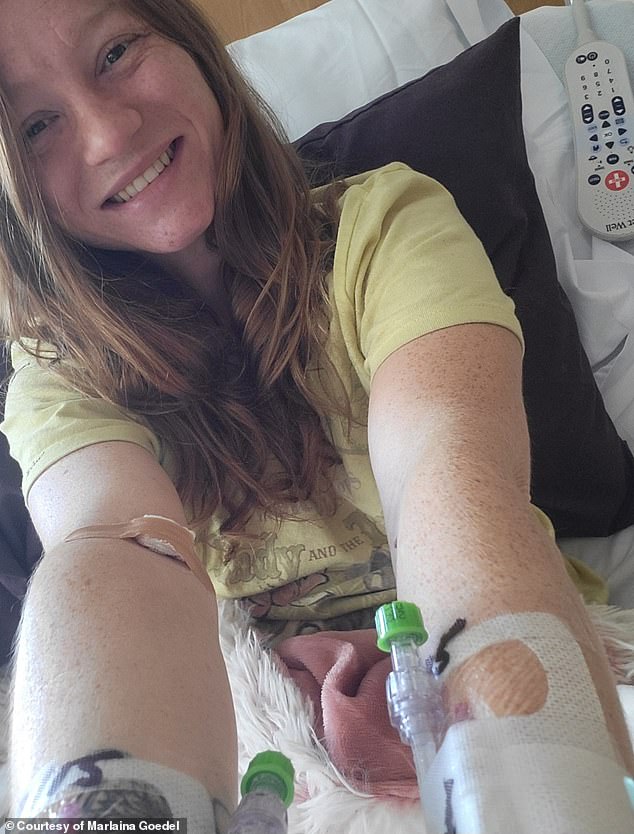
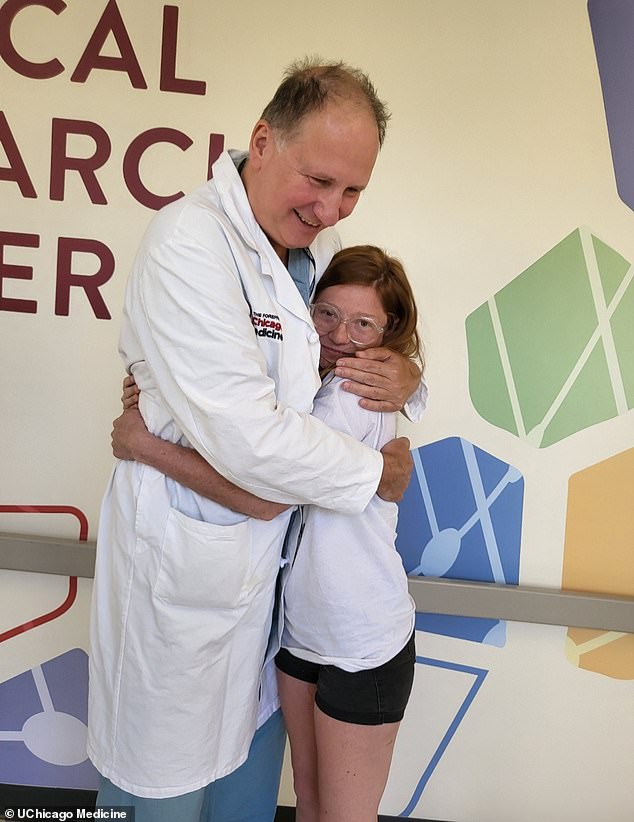
The 30-year-old was diagnosed with type 1 diabetes at five, and became one of a handful of people to have received an islet cell transplant.
Her blood sugar normalized within a month after the infusion, and she no longer needed insulin injections.
Now, she’s chasing long-postponed dreams: riding her horse, going back to school, and soaking in the sweetness of a life no longer dictated by blood sugar numbers.
‘We hope in the next five to 10 years that this therapy will have the potential to be given with minimal or zero immunosuppression, further minimizing the risk for patients long-term,’ Dr Reichman said, adding that more research is still needed on a larger population.
Read more
