Imo’s Debt Cut by Half Without Borrowing: Governor Uzodimma Announces

The Imo State Governor, Hope Uzodimma, has said his administration reduced the state’s debt profile by 60 percent, from N259bn in 2020 to N99bn, saying it is an indication of his government’s clear signal of financial management.

Uzodimma made the disclosure while addressing stakeholders at the State of Imo address at the State House of Assembly Owerri on Tuesday.

The governor who disclosed that he had no plans of borrowing money said the debt reduction was a clear signal of prudent financial management.

He disclosed that the internally generated revenue had increased by 500 per cent from ₦400 Million in 2020 to nearly ₦4 billion in 2025, noting that it had given the State the room to invest in infrastructure and services.

The governor said, “I am pleased to report that our administration has also reduced the state’s debt profile from ₦259 billion in 2020 to ₦99 billion in 2025.

“This reduction of 60% is a clear signal of our prudent financial management.

“In today’s Nigeria, where subnational governments are called to do more with less, Imo is showing that with vision, discipline, and reform, progress is possible”.

On the IGR, Uzodimma said “the impact is visible: our monthly Internally Generated Revenue (IGR) has grown from an average of ₦400 Million in 2020 to nearly ₦4 billion in 2025, an increase of about 500%.

” This performance gives us the fiscal breathing room to invest in infrastructure and services, even as federal allocations continue to look up”.

The governor disclosed that Imo State currently boasts of five higher institutions and that Tinubu had approved a take-off grant of over ₦30billion for the newly approved Federal University, Okigwe, saying it was an unprecedented milestone in the education journey of Imo State.

He said “It gives me great joy to announce that Imo State has a brand new federal university.

“Thanks to the magnanimity of President Bola Ahmed Tinubu, who not only signed the bill establishing the Federal University, Okigwe, into law but also approved a take-off grant of N39 billion.

“This is no small feat. With this development, Imo now proudly hosts five public universities, an unprecedented milestone in our educational journey.

“We give God all the glory.”

Uzodinma said the institutions are Imo State University, Owerri; K.O. Mbadiwe University, Ogboko; University of Agriculture and Environmental Sciences, Umuagwo; Imo State Polytechnic; and Ben Uwajumogu College of Education, Ihitte Uboma.

He disclosed that Imo State has a new transport chain known as the Imo Heartland Mass Transit Programme which will commence in the coming weeks aimed at “improving mobility, reducing travel costs, and creating jobs. Contracts have already been awarded, and contractors have been mobilised to the site.”

The transport scheme will have three bus terminals located at Egbu Road, Onitsha Road, and Naze Road, along with 256 bus stops strategically placed across the state, adding that the terminals or shelters are being constructed to world-class standards as part of a long-term plan to reshape urban and rural movement in Imo state.

Other achievements include the full automation of the civil service and its operations to stamp out fraud and ease service delivery, training and retraining of staff with modern-day work skills, prompt payment of salaries and pension, and uploading of backlog merited promotions as well as promotion of workers.

The governor said his administration had constructed more roads than all previous administrations since 1999 combined.

He said “Our commitment to infrastructure remains resolute.

“Today, Imo boasts of one of the most extensive and impactful road networks in Nigeria.

“Without sounding immodest, we have constructed more roads than all previous administrations since 1999, combined.

“To date, we have completed over 120 roads across the state.

“In the past 18 months alone, we delivered 37 brand new roads, an iconic edifice, the International Conference Center, and a befitting Government Housing Annex Orlu.

“We also have the Assumpta Flyover and the new Concorde-Hilton Hotel as landmark legacy projects”.

Some of the new roads listed were Toronto – Orji Road, Naze-Ogbosisi Road, Orlu – Nkume-Umuowa Road, Oru West LGA Road, Mgbidi-Omuma-Okporo Road, Amiri- Omuma Road, Ihialla -St Joseph_Eziachi Road, Okwudor-Awo omamma Road, Toronto-Ekemmegbuoha Road, Owerri-Mbaise-Umuahia road, IMSUTH road Orlu, Alaba International Market, Orlu–Akokwa–Uga Road (19.2km), and several others.

Other achievements listed by Uzodimma include health, sports, women’s affairs and social welfare, digital economy and e-governance, light up Imo project (electricity), housing, restoration of lands illegally diverted, amongst others.

The governor assured that Imo is safe as his administration had clamped down on criminals and those instigated by politicians, adding that with the support of the Federal Government and security agencies, the state had reclaimed its place as the hospitality capital in the southeast.

Uzodimma said,”As the Chief Security Officer of the state, I have never taken this responsibility lightly.

“You are all aware of the troubling period when our state was targeted by politically motivated insecurity, marked by banditry, violence, and lawlessness.

“But we did not fold our arms. We acted, resolutely and collaboratively.

“Through sustained partnership with the federal government and security agencies, we have steadily reclaimed the peace of Imo.

“I am pleased to report that the state capital, Owerri, has hosted several national and international conferences in the past year, without any incidents.

“That is no coincidence; rather it is the fruit of deliberate effort. Imo is returning to its rightful place as the hospitality capital of the South East.”

He, however, appealed to instigators of violence to stop, saying no personal ambition is worth the blood of the people, as he called on them to join hands with his government in building, not destroying the state.

Provided by SyndiGate Media Inc. (
Syndigate.info
).

Junet Mohammed: Loyalty Over Betrayal? Raila Odinga Stands With the People, Then and Now

The lead story in the June 23, 2025, edition of

The


Standard

newspaper was a gross misrepresentation of facts, a calculated distortion of history in motion, and a flagrant act of political propaganda masquerading as journalism.

It claims that Raila Amolo Odinga, the indefatigable champion of democracy and social justice, betrayed the Gen Z-led anti-Finance Bill 2024 uprising. The paper could not be further from the truth.


Indeed, if there is any individual who has borne the


brunt


of resisting autocracy and economic oppression in Kenya, it is Raila Odinga.


He has spent decades in the trenches—detained without trial, tortured, vilified, exiled—so that


the people of


Kenya could enjoy the very liberties that


he is proud that


Gen Z is now exercising with admirable boldness.


To attempt to paint him as a betrayer of a movement rooted in justice, accountability, and economic freedom is both ahistorical and dishonest.


Let us set the record straight.


First, it must be acknowledged that the Gen Z


protests


did not emerge in a vacuum. It arose from a continuum of Kenyan struggles against neoliberal oppression,


punitive


state policies, and broken promises.


In June and July of 2023, long before many of today’s commentators even noticed the impact of state fiscal overreach, Raila Odinga led protests against the Finance Bill 2023.


That Bill aimed to raise taxes on ordinary Kenyans—on housing, digital services, fuel, and incomes—


ostensibly for accelerated


development, but in reality


to plug the holes left by


decades of


elite mismanagement and corruption.


Those protests saw the deaths of dozens of young Kenyans, many of whom were shot in cold blood while exercising their constitutional right to assemble


and picket


. Odinga did not abandon them.


He walked side by side with them at great personal risk in the process, surviving assassination attempts in broad daylight and full view of cameras.


He mourned with


Kenyans who had lost their dear ones


. He condemned the killings.


He called for justice. He stood with them—while those now crying betrayal were either complicit in silence or distracted by political expediency.


Fast forward to May 2024. Once again, Odinga led Azimio la Umoja One Kenya Coalition in convening to analyse the newly proposed Finance Bill 2024—this time even more draconian than its predecessor.


The coalition invited tax experts, economists, civil society actors, and members of Parliament to the Sarova Stanley Hotel. The result was a comprehensive analysis of how the Bill would escalate economic suffering and choke the country’s productive sectors.


Slides from that Azimio PG presentation were disseminated widely online. These became key tools in the digital mobilisation led by Gen Z activists—tools that clarified, educated, and armed citizens with evidence.


Gen Z did not spring from nowhere; it took up a baton passed on by the broader Kenyan movement, including Odinga’s own efforts. To claim betrayal, therefore, is to deny this intergenerational continuity and mutual reinforcement. It is a politically expedient rewriting of the facts.


Unlike some establishment figures who met the Gen Z protests with disdain, Raila Odinga lauded the youth. He did not attempt to hijack their struggle.


He did not seek to impose an Azimio stamp on it. Instead, he respected its organic nature and celebrated its unprecedented success. On June 2


5


, 2024, when protesters overran Parliament and the Judiciary


and also


forc


ed


a dissolution of the cabinet, it was not lost on him or any serious political analyst that Kenya had entered uncharted territory.


The youth had achieved in weeks what conventional political movements had failed to do in years.


At that point, the conversation shifted. From opposing a singular Finance Bill, the protests now called for the resignation of President Ruto. “Ruto Must Go” was not a policy demand.


It was a political ultimatum. With the three arms of government discredited and overrun


, Kenya stood at the


horns of a political dilemma


.


Faced with this reality, any responsible leader must assess possible outcomes. As a party, Azimio outlined five possible scenarios:


Scenario one, r


esignation of President Ruto and succession by the Deputy—a constitutional option.


Was this the alternative the protestors were suing for?


Second scenario, a m


ilitary intervention—akin to developments in Sudan, Egypt, or Tunisia


after the Arab Spring “revolutions


.


”


Scenario three, a


palace coup, which history shows can usher in prolonged instability.


Scenario four, o


utright anarchy—with balkanized militia rule, civil strife, and state collapse.


And finally, scenario five. The exercise of p


opular sovereignty through Article 1 of the Constitution—a national dialogue and citizen-led resolution.


Given the foregoing,


Odinga championed the fifth option. He called for a national conversation, not to dilute the Gen Z momentum, but to anchor it in constitutional legitimacy


and not let their gallant efforts go to waste


. He did not betray the movement. He sought to safeguard it from being hijacked by chaos and reactionary forces.


Odinga’s decision to take the high road, to insist on dialogue and national coherence,


cannot be termed a


betrayal,


as

The Standard’s

propaganda seeks to plant in the psyche of its readership


. It is leadership.


True, the call for a national dialogue was rejected in the heat of protest. That is the nature of an uprising—radical, emotional, and unstructured. But it is the duty of elder statesmen to offer structure and a path forward, not to cheer as the country teeters over the edge.


To argue, as The Standard does, that Odinga capitulated or colluded is to ignore history and distort facts. By July 2024, street demonstrations had already subsided. The momentum had shifted from mass action to elite reaction.


Those who now claim that Odinga betrayed Gen Z are either willfully blind or politically dishonest. They ignore that it was Odinga, more than


m


any other leader


s


, who pushed for


the enactment of the new Constitution


that enshrined Article 1—the sovereignty of the people.


They forget that it was Odinga who warned about the dangers of violent state responses


to peaceful protests


, about the


rampant abductions


, and about the fragility of our hard-won democratic gains.


It would be remiss not to interrogate

The Standard

itself. The newspaper’s recent editorial line raises questions about its motivations. Owned and managed by figures tied to past regimes and elite economic interests,

The Standard

has a documented history of silence during state-sponsored violence, assassinations, and repression.


From the Moi era


detentions without trial, official torture at Nyayo House and assassinations


to the


recent


interregnum,


this media house


has often aligned itself with

status quo

forces.


The Monday lead story


reeks of the same betrayal it seeks to project. It betrays


honest


journalism. It betrays objectivity. It betrays the Kenyan people’s desire for truthful, constructive engagement.


This is not the first time this media house has attempted to discredit


Raila


Odinga. From the 1980s when it ridiculed detainees, to the 2000s when it whitewashed stolen elections,

The Standard

has too often stood on the wrong side of history.


Let us be clear. Kenya is in the midst of a profound transformation. Gen Z has done the country proud. They have reclaimed civic agency and shaken the foundations of impunity. But their struggle is not detached from the broader freedom movement. It is part of the same arc of justice that leaders like Raila Odinga have pursued for decades.


To attempt to split that arc, to pit the present against the past, is to aid the oppressors. It is to do the


devil’


s work for it. We must reject false dichotomies and manufactured betrayals. The real betrayal would be to let the movement descend into anarchy. The real betrayal would be to let state violence return unchecked.


The real betrayal would be to abandon the dream of a united, just and democratic Kenya.


And that’s what the Memorandum of Understanding signed on March 7, 2025 to guard against.


Raila Odinga did not betray the people. He has always stood with the people. He stands with them still.


Let

The Standard

look for traitors elsewhere.

Provided by SyndiGate Media Inc. (
Syndigate.info
).

10 Diabetics CURED: Breakthrough Drug Signals New Hope!


  • READ MORE: I’m one of the first Americans to be cured of type 1 diabetes

Ten people have been effectively cured of their type 1
diabetes
after a breakthrough infusion of stem cells on the path toward
FDA
approval.

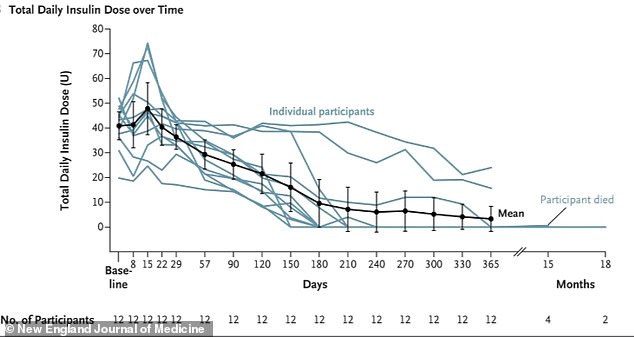
One year after being treated, 10 of the 12 patients who took the drug, called Zimislecel, no longer needed insulin, while the other two needed much smaller doses.

The groundbreaking therapy’s foundation uses stem cells that researchers manipulated to become
pancreatic islet cells
, tiny clusters of specialized cells scattered throughout the pancreas that produce hormones to regulate blood sugar.

The cells were injected into the patients, traveling through the liver, implanted there, and
began producing insulin
where their bodies had previously produced none.

Their blood sugar spikes were less severe after meals. Their insulin production also kept improving, and their time spent in a healthy glucose range went from about 50 percent at baseline to over 93 percent at one year.

The study’s participants are among the 30 percent of type 1 diabetes patients with a complication that makes it impossible for them to tell when their blood sugar is low or high, lacking the normal signs like shakiness or sweating.

All of the patients in the study had this subtype of type 1, known as hypoglycemic unawareness. The condition can also cause patients to pass out, have seizures, or even die.

Researchers behind the study believe their drug paves the way
toward a cure
for type 1 diabetes overall. The condition, which is due to a combination of genetics and environmental factors like childhood viral infections, affects roughly 1.6 million Americans.

Trevor Reichman, a study co-author and surgeon at University Health Network in Toronto, told
STAT
: ‘This study represents for the first time that biologic replacement can be administered to patients with type 1 diabetes in a single safe and effective procedure with minimal risk to the recipient.’

‘This study has the potential to get us one step closer to a ‘functional cure’ for patients with type 1 diabetes,’ Reichman added.

Researchers expect to apply for approval of this drug with the FDA within the next five years.

Patients had to have a history of hypoglycemic unawareness to participate in the study, causing seizures, coma, loss of consciousness, or hospital stays.

Once they started taking Zimislecel, made by Vertex Pharmaceuticals of Boston, the patients also had to take immune-suppressing drugs to prevent the body from attacking the foreign islet cells.

One study enrollee, Amanda Smith, 36, from London, told the
New York Times
that she jumped at the chance to join the groundbreaking trial.

Six months after receiving the infusion, she no longer needed insulin.

‘It’s like a whole new life,’ she said.

Traditionally, stem cells are isolated from the pancreas of a deceased organ donor. However, the cells in the latest research were grown in the lab rather than taken from cadavers, offering a scalable, renewable source of islet cells without having to rely on a limited supply of donors.

Type 1 is less common
than type 2 diabetes
, which affects 32 million Americans and typically comes on later in life due to a confluence of lifestyle factors and genes.

Without insulin, type 1 diabetics’ bodies have no way to regulate blood sugar, which can build up in the bloodstream and skyrocket.

The body starts breaking down fat for fuel, creating ketones, or acidic byproducts. A buildup of ketones in the blood can cause diabetic ketoacidosis, a condition that causes nausea, vomiting, rapid breathing, dehydration, and confusion.

Without proper treatment with insulin and fluids, diabetic ketoacidosis can cause a laundry list of potentially fatal effects, including brain swelling, kidney failure, cardiac arrest, and death.

This therapy is 25 years in the making, pioneered by the father of a baby who was diagnosed with type 1 diabetes, followed by his teen daughter. He pledged to find a cure for the disease.

Their findings were published in the
New England Journal of Medicine
.

The first patient to receive this therapy was Brian Sheton, who got it in 2021. He had been living with low blood sugar that often plunged him into a state of unconsciousness, even crashing his motorcycle into a wall at one point.

The infusion cured him, but Vertex said he died afterward due to dementia symptoms that were present before he was treated.

Stem cell therapy is the newest frontier in disease research, starting with niche conditions, such as hypoglycemic unawareness. Still, it has the potential to be scaled up to cover a broader umbrella of diseases.

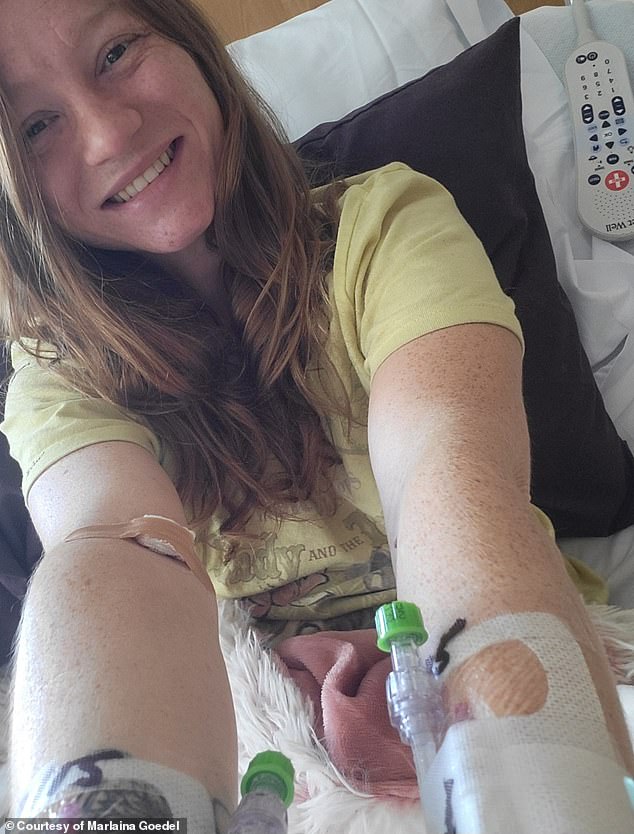
After 25 years of taking insulin shots, Illinois mom Marlaina Goedel finally said what she had longed to say for years:
‘I am cured.’


The 30-year-old was diagnosed with type 1 diabetes at five, and became one of a handful of people to have received an islet cell transplant.

Her blood sugar normalized within a month after the infusion, and she no longer needed insulin injections.

Now, she’s chasing long-postponed dreams: riding her horse, going back to school, and soaking in the sweetness of a life no longer dictated by blood sugar numbers.

‘We hope in the next five to 10 years that this therapy will have the potential to be given with minimal or zero immunosuppression, further minimizing the risk for patients long-term,’ Dr Reichman said, adding that more research is still needed on a larger population.

Read more

Critical Analysis: Bawumia’s Case for Cedi Appreciation in 2025


By. Bernard TETTEH-DUMANYA (Dr)

In a recent public commentary, former Vice President Dr. Mahamudu Bawumia attributed the appreciation of the Ghanaian cedi in 2025 to policies implemented under the previous New Patriotic Party (NPP) administration.

He specifically highlighted the gold-for-oil initiative, the Bank of Ghana’s gold reserve accumulation, the global weakening of the U.S. dollar, and restrained public expenditure by the current NDC government as key drivers of the cedi’s resurgence.

While these remarks are positioned to credit past NPP policy interventions for current macroeconomic stability, a closer examination reveals several economic and logical inconsistencies.

One of the most striking contradictions lies in Dr. Bawumia’s shifting stance on the relationship between macroeconomic fundamentals and exchange rate dynamics. In 2014, while in opposition, he famously asserted that “if the fundamentals are weak, the exchange rate will expose you.” This statement became a cornerstone of his critique against the then NDC government during periods of cedi depreciation.

However, during his tenure as Vice President and Chair of the “solid” Economic Management Team, Dr. Bawumia adopted a markedly different position.

When the cedi came under pressure, he contended that currency depreciation does not necessarily signal weak fundamentals, often attributing the depreciation to external shocks beyond the government’s control.

This apparent inconsistency reflects a troubling tendency toward political opportunism rather than a principled, evidence-based approach to economic policy.

If one holds that weak fundamentals inherently lead to exchange rate vulnerabilities, then it logically follows that the cedi’s significant depreciation during his time in office should equally be viewed as a symptom of underlying structural weaknesses, not merely the result of external pressures.

Such contradictory narratives undermine public confidence and raise important questions about the coherence and integrity of Dr. Bawumia’s knowledge of Ghana’s economic discourse.

In 2025, Dr. Mahamudu Bawumia asserted that the Ghanaian cedi’s appreciation is primarily a result of the gold-for-oil policy, and the gold accumulation strategy implemented during the previous New Patriotic Party (NPP) administration.

While it is economically sound to recognize the importance of building foreign exchange reserves in safeguarding a currency against volatility, Dr. Bawumia’s attribution suffers from a

post hoc fallacy;

mistaking chronological succession for causation.

From an empirical standpoint, foreign reserves support currency stability most effectively when aligned with prudent and current fiscal and monetary policies.

The appreciation of a currency, particularly in open market economies, is more often a forward-looking signal reflecting investor confidence, market sentiment, and the credibility of ongoing economic management.

It is therefore logically inconsistent to credit 2025 exchange rate movements to policy decisions whose implementation had either concluded or lost momentum years earlier.

Although the Bank of Ghana’s gold purchases may have helped mitigate the balance-of-payments crisis in 2022–2023, the assertion that these past actions are the primary drivers of the cedi’s 2025 appreciation overlooks the complex and dynamic nature of currency markets.

Current macroeconomic outcomes are largely shaped by present-day governance, fiscal discipline, and credible monetary policy factors which investors actively monitor. Attributing ongoing developments to legacy policies, without acknowledging the influence of the current administration’s decisions, discounts the real and measurable efforts being made today by the NDC government.

More critically, Dr. Bawumia’s position reflects a troubling unwillingness to recognize the contributions of others. His dismissal of the current government’s role in fostering macroeconomic stability appears politically motivated and lacks analytical fairness.

One must ask: if the cedi were depreciating under the current administration, would he still attribute that to past policies? It is unlikely. This selective narrative implies that only positive developments stem from his tenure, while all negative trends are the fault of others’ a stance that is neither objective nor intellectually consistent.

It is important to acknowledge that while reserve accumulation is essential for long-term resilience, the cedi’s current appreciation is occurring under a new administration and is likely influenced by factors such as renewed investor confidence, ongoing fiscal consolidation, enhanced policy credibility under the IMF program, and improved monetary-fiscal coordination.

Indeed, the Bank of Ghana’s own Monetary Policy Report has noted that short-term exchange rate movements are more directly impacted by real-time fiscal discipline, external inflows, and policy credibilityrather than reserve buffers alone.

Dr. Bawumia has challenged the current administration to identify a single policy responsible for the recent appreciation of the cedi, attributing current macroeconomic improvements to the legacy of the previous NPP government.

However, this view overlooks the complexity of currency markets, which are influenced by ongoing fiscal policies, market expectations, and global trends. \xa0His argument also references the weakening of the U.S. dollar and compares Ghana to Zambia. While a softer dollar affects emerging markets broadly, it does not fully explain the cedi’s performance.

Ghana’s currency has historically been more volatile due to domestic factors like inflation, debt servicing, and trade imbalances.

Unlike Zambia, Ghana has not benefited equally from commodity exports or debt restructuring. Thus, the cedi’s gains are more credibly linked to internal policy credibility than external trends alone. Dr. Bawumia’s explanations also rely heavily on selective comparisons.

The Dollar Index (DXY) has seen cyclical changes, not a sustained decline, and other regional currencies like Nigeria’s naira have not mirrored the cedi’s performance. This suggests internal policy actions are more decisive.

Overemphasizing external factors ignores Ghana’s specific economic realities. It is dangerous for Dr Bawumia to continuously oversimplify such economic dynamics undermines public discourse and no wonder in 2017, he claims of having “arrested the cedi and given the keys to the IGP” serves as a caution against political sloganeering if he indeed wants to become president in Ghana.

Dr. Bawumia also argues that limited spending by the current administration—particularly its failure to pay Independent Power Producers (IPPs) and contractors has eased pressure on the cedi by reducing demand for foreign exchange.

While this may be true in the short run, it is a

dangerously flawed justification

for currency appreciation. Thus, claiming reduced expenditure as a virtue oversimplifies the relationship between public spending and currency health.

In summary, Dr. Bawumia’s attribution of the cedi’s recent appreciation to policies of the past government reflects a mix of

economic misinterpretation and political deflection


.

While some foundational efforts such as gold reserve accumulation may have contributed to earlier stability, the sustained appreciation of the cedi in 2025 is more likely the result of

ongoing fiscal discipline


,


IMF-backed reforms


,

and

reduced speculation due to increased policy credibility


.

Furthermore, relying on reduced spending or global dollar trends without acknowledging Ghana’s internal structural issues reveals a

narrow reading of complex macroeconomic dynamics

. For a more productive national economic discourse, future commentary must center on

evidence-based policy impact

, not retrospective credit-claiming.


>>>the writer


is a distinguished Ghanaian financial economist and consultant with nearly three decades of experience spanning academia, corporate finance, and agribusiness. He has held pivotal roles at institutions such as UBA Ghana, SIC Financial Services, Empretec Ghana, and the Swiss International Finance Group, reflecting his profound understanding of global finance. Renowned for pioneering efforts in risk management, compliance, and corporate strategy, Dr. Tetteh-Dumanya has significantly contributed to Ghana’s financial landscape.


His expertise encompasses venture capital, business and financial reengineering, and fundraising, playing a crucial role in the growth and development of numerous entities.


Driven by a commitment to capacity development, he has provided consultancy services to a diverse array of local and multinational organizations, including GIZ, AGRA, SNV, DANIDA, and USAID.


As the CEO of SGL Royal Kapita, he has introduced innovative investment services targeting Ghana’s agriculture sector, aiming to support farmers and agribusinesses in achieving financial stability and growth.


Beyond his professional endeavors, Dr. Tetteh-Dumanya is an influential columnist, offering incisive analyses on Ghana’s economic policies and advocating for strategic financial mechanisms to enhance the nation’s economic sovereignty. For inquiries, Dr.\xa0 Tetteh-Dumanya can be reached at:
mafioba@yahoo.com

Provided by SyndiGate Media Inc. (
Syndigate.info
).
Accelerating Local Growth: Why Embracing Homemade Pickups is Key


By Eric Osei ANNOR

In Ghana’s dynamic economy, pickups are not just vehicles; they are crucial instruments for business, government logistics, agriculture, and construction.

Yet, for too long, Ghana has leaned heavily on imports to satisfy this demand, draining foreign exchange and stunting our industrial growth.

This narrative is changing, and we must take decisive action. With ambitious policies like the Ghana Automotive Development Policy (GADP), locally assembled pickups, including the Peugeot Landtrek 1.9, are now entering the market.

This represents a fundamental shift toward self-reliance, economic diversification, and manufacturing-led development.


Why local assembly works for Ghana

·

Job creation across the value chain –

Every pickup assembled locally creates a ripple effect of employment — from automotive engineers to logistics operators and spare parts vendors.

Assembly plants in Ghana, including Silver Star Auto’s facility for the Landtrek, are becoming training grounds and career hubs for the country’s growing youth workforce.

·

Lower costs & wider access –

With exemptions under the GADP, locally assembled vehicles bypass hefty import duties, making them more affordable for SMEs, government institutions, and individuals.

A Landtrek 1.9 assembled in Ghana can cost significantly less than an imported equivalent, expanding vehicle ownership and business efficiency.

·

Built for Ghanaian conditions –

Ghana’s road networks, climate, and transport needs demand vehicles that can endure tough conditions.

The Landtrek 1.9, with its

235 mm ground clearance

,

600 mm wading depth

, and rugged leaf-spring suspension, is built to handle Ghana’s terrain — making it a smart and reliable choice for both urban and rural users.


Economic nationalism & industrial strategy

Supporting local assembly is more than industrial policy — it’s a patriotic economic strategy. Ghana spends millions annually on vehicle imports, impacting our current account and foreign reserves.

By shifting to local production, we not only conserve foreign currency but also signal our readiness to compete globally in high-value manufacturing.

This import-substitution model, if sustained, can transform Ghana into West Africa’s automotive powerhouse, exporting pickups across the subregion while meeting domestic needs efficiently.


Public sector – Leading by example

Government agencies and state-owned enterprises (SOEs) are key to anchoring demand. When ministries and district assemblies procure locally assembled pickups, they directly support Ghanaian jobs and enterprise.

This kind of demand assurance encourages private investors and multinational brands to expand their local presence and production capacity.


Case in Point: The Peugeot Landtrek 1.9


Specification

Details

Engine
1.9L Turbo Diesel, 150 hp

Torque
350 Nm @ 1800–2800 rpm

Transmission
6-speed manual / automatic

Drivetrain
RWD + selectable 4WD

Fuel Efficiency
~7.8–8.1 L/100 km

Ground Clearance
214–235 mm

Wading Depth
600 mm

Load/Tow Capacity
750 kg payload / 3,000 kg tow

Assembly
Tema, Ghana

\xa0

The Landtrek is more than a workhorse — it’s a mobile symbol of Ghanaian industrial potential.


Policy support – building on solid foundations

The government has taken bold and commendable steps to develop the local automotive sector. Through the GADP, tax incentives, and the establishment of the Ghana Automotive Development Centre, it has shown strong commitment to industrial transformation.

As the sector grows, further refinements — such as improved access to vehicle financing, reduction of utility costs for manufacturers, and streamlined regulatory procedures — will make local assembly even more competitive. Continued investment in infrastructure in industrial enclaves like Tema and Kumasi will reinforce Ghana’s position as an auto assembly hub.


Conclusion – Ghana’s automotive moment

Ghana is entering a new industrial era — one where pickups like the Landtrek 1.9 are not just imported assets, but Ghana-assembled engines of progress.

By choosing locally assembled vehicles, we create jobs, retain value within our economy, and build national resilience. This isn’t just a shift in production — it’s a signal of confidence in ourselves. Let’s drive Ghana forward — one locally assembled pickup at a time.


>>>Award-Winning Strategist in Marketing, Sales, and Digital Transformation. He can be reached 0541 453 775|oannorerice@gmail.com

Provided by SyndiGate Media Inc. (
Syndigate.info
).
Cooper Farms and FasterCapital Join Forces to Revolutionize Livestock Feed Production

Cooper Farms
, a pioneering agribusiness startup in Ghana, has officially collaborated with
FasterCapital
through its LaunchUp program to accelerate the scaling of its innovative livestock feed production model.

This strategic collaboration aims to meet the rapidly growing global demand for meat and dairy products projected by the Food and Agriculture Organization (FAO) to reach $2.6 billion by 2050.

By leveraging FasterCapital’s global resources and network, G. Cooper Farms plans to enhance sustainable farming practices and drive shareholder value in Ghana’s agribusiness sector.


Addressing a Growing Market Challenge

The global population surge continues to drive unprecedented demand for high-quality meat and dairy products, creating a critical need for nutrient-rich, sustainable livestock feed. Farmers across Africa face shortages of feed that is low in fiber but rich in protein, potassium, and calcium—elements essential for livestock health and productivity.

While the FAO projects this market to balloon to $2.6 billion by 2050, many producers still rely on traditional, inefficient farming methods that fail to meet quality and sustainability standards. G. Cooper Farms enters this white space with a solution tailored for modern agribusiness challenges, positioning itself to capture significant market share amid rising competition.


Innovative Solutions Driving Sustainable Growth

Cooper Farms delivers a scalable, environmentally responsible model for producing livestock feed using advanced commercial farming equipment and globally certified best practices.

Founded by George Cooper, the company’s proprietary approach focuses on enhancing nutrient density and sustainability, ensuring farmers access to premium feed inputs that improve livestock yields and profitability.

Currently operational in Ghana, G. Cooper Farms has demonstrated strong early traction, validating its model with local farmers and stakeholders. This differentiated positioning in a largely underserved market provides a competitive moat and establishes the company as a future leader in African agribusiness innovation.


Strategic Partnership with FasterCapital

By joining FasterCapital’s LaunchUp program, G. Cooper Farms gains access to a comprehensive suite of acceleration resources, including funding support, global mentorship, and go-to-market expertise.

FasterCapital, known for its rigorous selection process, partners exclusively with startups demonstrating high growth potential and scalable impact. The collaboration will fast track G. Cooper Farms’ expansion plans, enhance operational efficiencies, and prepare the startup for subsequent investment rounds.

As
Hesham Zreik
, CEO of FasterCapital, emphasizes, the program is designed to nurture startups that marry profitability with environmental and social impact — a criterion that G. Cooper Farms exemplifies.


Executive Perspectives

George Cooper, Founder & CEO of G. Cooper Farms:

“Joining FasterCapital’s LaunchUp program marks a pivotal moment in our journey. With their expertise and global network, we are poised to scale our operations effectively, meet the escalating market demand, and pioneer sustainable agribusiness practices in Ghana and beyond. This partnership accelerates our vision of transforming livestock feed production into a high-impact, scalable industry.”


Hesham Zreik, CEO of FasterCapital

:

“We are excited to welcome G. Cooper Farms to LaunchUp. Africa’s agricultural sector is crucial for global food security, and startups like G. Cooper Farms lead the charge with innovation and sustainability. Their focus on scalable, responsible farming aligns perfectly with FasterCapital’s investment philosophy, and we look forward to supporting their growth trajectory and market leadership.”


Growth Trajectory & Future Plans

In the coming 12 months, G. Cooper Farms will prioritize upgrading its commercial farm infrastructure, expanding feed production capacity, and integrating advanced sustainable farming techniques. The company aims to broaden its market reach within West Africa while pursuing a $400,000
funding round
to support these initiatives. Long-term, G. Cooper Farms envisions becoming a key player in global agribusiness, addressing food security challenges and delivering consistent shareholder returns through sustainable innovation.


About G. Cooper Farms

Founded by George Cooper,
G. Cooper Farms
is a Ghana-based agribusiness dedicated to producing high quality, sustainable livestock feed that meets the growing demand for meat and dairy products in Africa. The company, integrates modern farm equipment and globally certified farming best practices to foster environmental sustainability while driving economic growth and shareholder value.


About FasterCapital

FasterCapital
is a global venture builder and online incubator dedicated to co-funding and co-founding innovative startups. Established in 2014, we are now #1 venture builder in terms of number of startups that we have helped, money invested and money raised. It supports startups worldwide through various programs, including funding assistance, business development, and technical support. The LaunchUp program is designed to help early-stage startups build scalable solutions with mentorship, strategic guidance, and network support.

Media Contact:\xa0\xa0\xa0\xa0\xa0\xa0\xa0\xa0\xa0\xa0\xa0\xa0\xa0\xa0\xa0\xa0\xa0\xa0\xa0\xa0\xa0\xa0\xa0\xa0\xa0\xa0\xa0\xa0\xa0\xa0\xa0\xa0\xa0\xa0\xa0\xa0\xa0\xa0\xa0\xa0\xa0\xa0\xa0 Founder

Rasha Almasri\xa0\xa0\xa0\xa0\xa0\xa0\xa0\xa0\xa0\xa0\xa0\xa0 \xa0\xa0\xa0\xa0\xa0\xa0\xa0\xa0\xa0\xa0\xa0\xa0\xa0\xa0\xa0\xa0\xa0\xa0\xa0\xa0\xa0\xa0\xa0\xa0\xa0\xa0\xa0\xa0\xa0\xa0\xa0\xa0George Cooper

rasha.almasri@fastercapital.com
\xa0\xa0\xa0\xa0\xa0\xa0\xa0\xa0\xa0\xa0\xa0\xa0\xa0\xa0\xa0 george@gcooperfarms.com

+1 (512) 400-0256\xa0\xa0\xa0\xa0\xa0\xa0\xa0\xa0\xa0\xa0\xa0\xa0\xa0\xa0\xa0\xa0\xa0\xa0\xa0\xa0\xa0\xa0\xa0\xa0\xa0\xa0\xa0\xa0\xa0\xa0\xa0\xa0\xa0\xa0\xa0 \xa0\xa0\xa0+233 207 063 678

Provided by SyndiGate Media Inc. (
Syndigate.info
).

Unlocking Global Investment for Africa’s SMEs: Boosting Growth and Opportunity


By Ramat


\xa0Ebella WHAJAH\xa0

Small and Medium Enterprises (SMEs) are the lifeblood of Africa’s economy, yet they remain largely excluded from global investment opportunities.

In Ghana and across the continent, SMEs make up approximately 90percent of businesses and contribute between 40-60percent of GDP, yet they struggle to scale due to limited access to capital, weak market linkages, and regulatory hurdles.

Despite their economic significance, global investors continue to favor high-value corporations over SMEs, perpetuating financial exclusion and stunting economic growth.

With the right strategies, Africa’s SMEs can be positioned as lucrative investment opportunities that drive job creation, innovation, and sustainable development.

This article explores the barriers that limit SME access to global capital, the potential for transformation, and the steps required to bridge the investment gap.


The current landscape of SMEs in Ghana and Africa


The economic contribution of SMEs

  • SMEs contribute between 70-80percent of employment in Africa, providing livelihoods for millions.
  • Africa has over 44 million micro, small, and medium-sized enterprises (MSMEs), yet less than 20percent have access to formal financing.
  • The International Finance Corporation (IFC) estimates the SME financing gap in Sub-Saharan Africa at US$331 billion.
  • In Ghana, SMEs account for 92percent of businesses and employ nearly 85percent of the workforce, yet most struggle to expand beyond local markets.

While these statistics highlight the dominance of SMEs, they also reveal systemic barriers preventing these businesses from accessing critical funding to scale.


Challenges preventing African SMEs from attracting global investment


  1. Limited access to financing

Most African SMEs depend on local banks, which impose

high collateral requirements

and

exorbitant interest rates

. Many banks categorize SMEs as high-risk, limiting their lending capacity. This forces SMEs to rely on informal lenders with even higher interest rates, restricting their ability to scale.


  1. Investor perception and trust issues

Global investors often hesitate to invest in African SMEs due to concerns about:

  • Inconsistent financial records and weak corporate governance.
  • Economic and political instability affecting business sustainability.
  • Lack of reliable data to assess SME growth potential.

  1. Bureaucratic and regulatory constraints
  • Complex business registration processes, excessive taxation, and lack of policy consistency deter global investors.
  • Weak enforcement of contract laws and intellectual property rights discourage investment in innovative SMEs.

  1. Poor access to global markets and supply chains
  • Many SMEs lack the infrastructure and knowledge to tap into export markets.
  • Limited exposure to international trade fairs and investment summits reduces their visibility.

  1. Low digital adoption and technological gaps
  • Most SMEs still operate manually, lacking digital tools for financial transparency, customer engagement, and scalability.
  • Limited internet penetration and digital literacy affect the adoption of e-commerce and fintech solutions, which are key to attracting investors.


Opportunities for making African SMEs investment-ready


  1. Leveraging Africa’s consumer market

With a population of over 1.4 billion and a projected consumer spending of US$6.7 trillion by 2030, Africa presents a massive investment opportunity. SMEs in agriculture, fintech, health tech, and renewable energy have the potential to attract substantial foreign investment.


  1. African Continental Free Trade Area (AfCFTA)
  • AfCFTA creates a single market of US$3.4 trillion, allowing SMEs to scale beyond their borders.
  • By eliminating trade barriers, AfCFTA makes it easier for investors to fund SMEs with cross-border expansion potential.

  1. Growing interest in impact and ESG investments
  • Global investors are increasingly shifting towards sustainable and impact-driven investments.
  • African SMEs involved in climate tech, green energy, and social enterprises have the potential to attract funding from impact investors and development finance institutions.

  1. Venture capital and private equity interest in africa
  • African startups raised over US$5 billion in venture capital funding in 2021, showcasing investor confidence in tech-driven SMEs.
  • Fintech, agritech, and e-commerce SMEs are emerging as key areas for foreign direct investment (FDI).

  1. Digital transformation and fintech revolution
  • The rise of mobile banking, blockchain, and AI-driven credit scoring enhances financial inclusion and SME visibility.
  • Digital platforms provide alternative credit data to assess SME viability, making them more attractive to investors.


Strategies to bridge the investment gap for African SMEs


  1. Strengthening SME financial transparency and governance
  • SMEs must adopt proper accounting practices and audited financial statements to boost investor confidence.
  • Implementing corporate governance training for SME owners will improve their investment readiness.

  1. Enhancing Public-Private Partnerships (PPPs)
  • Governments should collaborate with international investors to create credit guarantee schemes that de-risk SME lending.
  • Tax incentives and investment-friendly policies will attract foreign capital.

  1. Digitalization and e-commerce adoption
  • SMEs must embrace digital payment systems, e-commerce, and fintech solutions to enhance global competitiveness.
  • Governments should support digital literacy programs to help SMEs transition into the digital economy.

  1. Facilitating SME access to global markets
  • Governments should simplify export regulations and provide incentives for SMEs venturing into international markets.
  • SME participation in global trade fairs, B2B networking events, and online investment summits should be encouraged.

  1. Expanding alternative financing options
  • Development finance institutions should establish SME-focused investment funds.
  • Governments and private sector players should promote crowdfunding, angel investing, and peer-to-peer lending.
  • African stock exchanges should create SME-friendly listing requirements to facilitate equity investment.


Case Studies: Successful SME investment stories in Africa


  1. Flutterwave (Nigeria) – Fintech Success –

    Flutterwave, a Nigerian fintech startup, secured US$250 million in Series D funding, demonstrating Africa’s digital economy potential. The company’s scalable business model and regulatory compliance made it attractive to global investors.

  2. M-KOPA (Kenya) – Solar Energy SME –

    M-KOPA, a solar energy SME, attracted

    US$190 million in investment

    , highlighting the viability of impact-driven SMEs.

  3. Zeepay (Ghana) – Mobile Money Expansion –

    Zeepay, a Ghanaian fintech firm, secured multiple rounds of funding by leveraging Africa’s growing mobile money adoption.


Conclusion: Unlocking Africa’s SME investment potential

For African SMEs to attract global investment, a multi-faceted approach is necessary:

  1. Governments must implement investor-friendly policies and strengthen financial transparency.
  2. SMEs must embrace digitalization, corporate governance, and global market integration.
  3. Investors should recognize Africa’s untapped potential in fintech, agribusiness, renewable energy, and impact-driven enterprises.

By addressing these challenges and leveraging emerging opportunities, Africa’s SMEs can become the next frontier for global investment, unlocking sustainable economic growth and prosperity for millions. The time to act is now!


>>>the writer is


Head, Accra Tema Zone, National Investment Bank with over a decade experience in Business Advisory, Sales, Customer Service, Branch Operations among others. She is the Founder of Girls with Purpose Foundation, a not-for-profit community passionate about mentoring young girls and the youth to find their purpose, standout and succeed. Connect with\xa0Ramat\xa0via LinkedIn:\xa0Ramat\xa0Ebella Whajah , Email:\xa0


rammy_48@yahoo.com

Provided by SyndiGate Media Inc. (
Syndigate.info
).

The Top Sleep Issue That Triples Your Risk of Early Death — Are You at Risk?


  • READ MORE: Too hot to sleep? Try this 39p trick for a full eight hours…

Suffer from regular nightmares? You could be three times more likely to die a decade earlier than the average person, a new study has suggested.

Weekly nightmares were also found to be a stronger indicator of an early death than smoking, obesity, poor diet, and little physical activity.

Children and adults with frequent nightmares also showed faster biological ageing, which accounted for approximately 40 per cent of the explanation for the increased risk of early death.

Even monthly nightmares were linked to faster ageing and increased mortality, compared to those who rarely or never have them.

The scientists behind the study, from Imperial College
London
, said the link is likely due to the harmful effect of disrupted sleep and nightmare-induced stress on our body’s cells.

Dr Abidemi Otaiku, a brain science research fellow at Imperial College London (ICL), who led the team, said: ‘This stress reaction can be even more intense than anything we experience while awake.

‘Our sleeping brains cannot distinguish dreams from reality.

‘That’s why nightmares often wake us up sweating, gasping for breath, and with our hearts pounding—because our fight-or-flight response has been triggered.’

He added: ‘Nightmares lead to prolonged elevations of cortisol, a stress hormone closely linked to faster cellular ageing.

‘They also disrupt sleep quality and duration which impairs the body’s ability to repair itself and restore cells throughout the night.’

Dr Otaiku shared ‘simple measures’ the public can take to prevent nightmares in the first place.

‘A

voiding scary movies, maintaining good sleep hygiene, managing stress, and seeking treatment for anxiety or depression can be effective,’ he advised.


He also recommended a special type of psychological treatment called image rehearsal therapy.


This involves re-writing and rehearsing a nightmare into a less frightening version and can be done from your own home.

But those suffering from frequent night terrors that affect their quality of life may benefit from seeing a sleep specialist, he added.


In particular, he suggested trying another type of talking therapy for insomnia called CBT-I, which has been shown in
studies
to both reduce nightmares and slow the ageing of brain cells.


The technique aims to help people with insomnia address underlying thoughts and behaviours that contribute to sleep problems.


Recent
studies
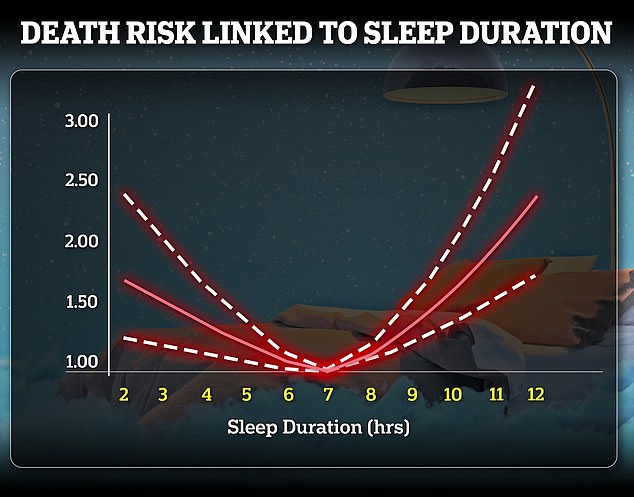
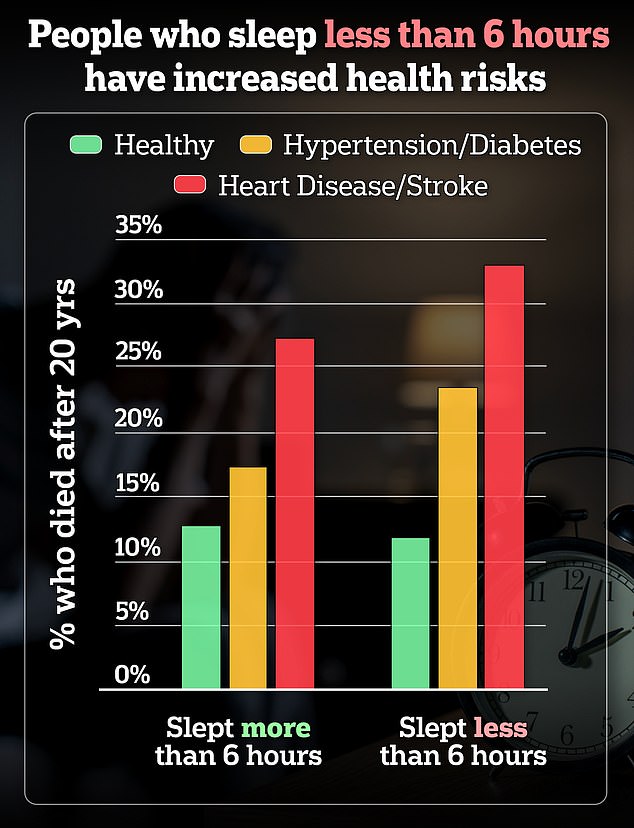
have shown a lack of sleep increases risk of heart disease, obesity, and death by 83 per cent, 82, per cent, and 40 per cent, respectively.


But the researchers from Imperial and the Dementia Research Institute in London are the first to show nightmare frequency is an indicator of an early death.

The team analysed data from 2,429 children aged eight to 10 and 183,012 adults aged 26 to 86 over a period of 19 years.

Nightmare frequency in adults was self-reported at the start of the study, with participants followed for up to 19 years.

Childrens’ nightmare frequency was reported by their parents at the beginning of the study.

The team’s findings were presented at the European Academy of Neurology (EAN) Congress 2025, on June 23.

They revealed that those who reported an average of one nightmare a week, over the course of a decade, were three times more likely to die before the age of 70 compared to those without night terrors.

The average man in England will live to around 78.8 years, and women 82.8, according to the latest data.

The new findings follow a recent study that revealed daytime napping was linked to a higher risk of early death.

The discovery was made by researchers who tracked the sleep habits of more than 86,000 healthy middle-aged adults.

They found that those who regularly napped—particularly in the early afternoon—were more likely to die prematurely than those who did not.

The study, presented at the SLEEP 2025 conference, found the risk of death rose by up to 20 per cent among frequent nappers.

Experts said daytime sleepiness may be a warning sign of disrupted or poor-quality night-time rest, and could point to underlying health problems such as sleep disorders, dementia, or heart failure.

Professor James Rowley, from Rush University Medical Center in Chicago, who was not involved in the research, said the findings should influence how doctors ask patients about sleep.

‘The major take-home message is that if a doctor asks about a patient’s sleep habits, they should also be asking about napping,’ he told Medscape Medical News.

‘In other words, doctors should be asking their patients, “do you nap in the day?”‘

Read more

Ruto’s $20K Donation to Albert Ojwang’s Family Sparks Controversy Amid Money Theft Claims


  • Rumours have been circulating on social media accusing the president of not fulfilling his KSh 2 million promise

  • However, according to new information, the family did receive the money in cash but has never touched it

  • The news has not delighted many Kenyans who still believe Mzee Meshack Opiyo should have turned down the donation

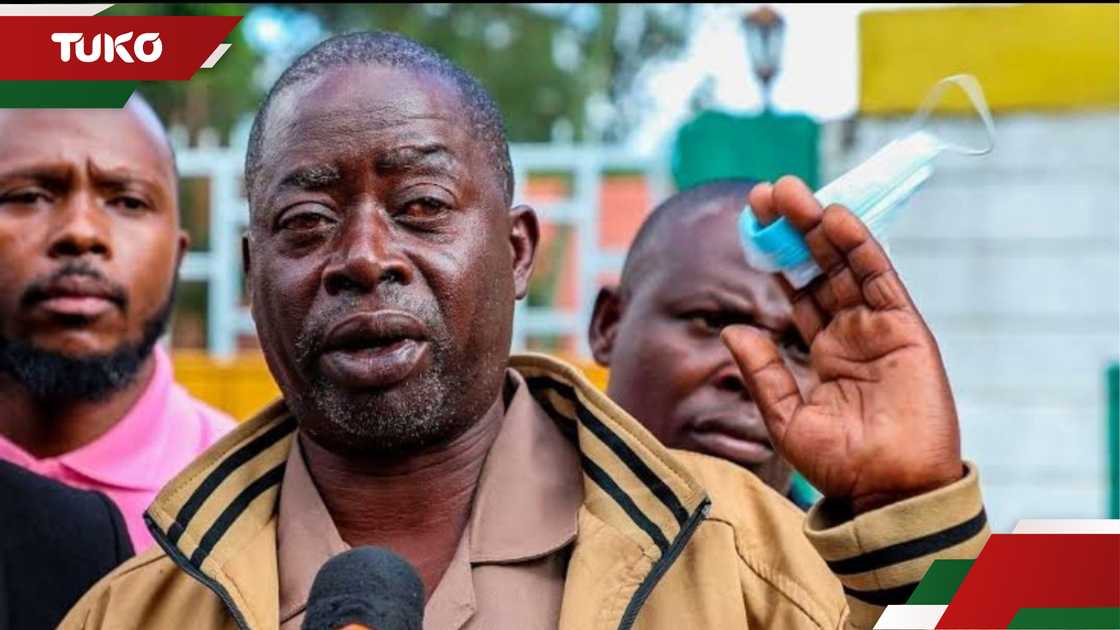
Albert Ojwang’s family has denied reports that they are yer to receive the KSh 2 million donation from President Willaim Ruto.

A few days ago, information went rife online, claiming that Ojwang’s family were yet to receive Ruto’s donation, with claims that Meshack Opiyo, Ojwang’s dad, urged the president to remember his pledge.

Ojwang’s uncle defends President Ruto

However, speaking to journalist on Tuesday, Ojwang’s uncle, Kenneth Ouma, denied the claims, noting the family did receive the amout.

Ouma said that the money was delivered in cash during the day they were visited by Homabay Governor Gladys Wanga, who came with the amount.

“It is in public domain that the president gave KSh 2 million. He sent (William Ruto) Hon. Gladys Wanga, who brought the money to the family,” he said.

Ouma noted that the whole amount was sent to the bank account and no one, including Meshack, touched even a cent of it.

He added that they called the Equity bank manager in the Oyugis branch, gave him the cash, and it is safe.

“The day it was brought, is the day it was sent to the official family bank account. Infact, I want to make it clear that the old man did not even touch a leaf of a note. The entire money as it was delivered by Hon Wanga, we called the Equiy bank manager Oyugis at home, all the money was given in cash and given to the bank manger, who I gave the account and can confirm to you that money is safe,” he said.


Just like from early reactions, the comment section did not have nice words to say about the family acceopting the money, which many saw as betrayal.

Here are some of the reactions:

irenemuendon said:

“The moment he thanked Ruto it was finished.”

mwambatalo_sambataba7_official said:

“Shauri yao…we went on the streets and he thanked Ruto rygym nkt.”

lakergal_raviellah said:

“So wako sawa hata kama walikua swindled they will be fine.”

kinjulius3 said:

“Money was given in cash na bank inakam aje ndani.”

stivohmaina said:

“he can never keep a promise.”

ictorkhodis claimed:

“Albert azikwe this people now are in business yet the guy will not get justice,watu wao wameshiba sasa.”

Ojwang’s family denies receiving KSh 10 million in donations

Earlier, the family of Albert Ojwang denied claims they received KSh 10 million in total donations through M-Pesa.

This was after community mobiliser Eric Omondi claimed that from his estimates, the family received about KSh 10 million.

According to Kenneth Ouma, the amount was about KSh 2.6 million and said what Eric did was assumed the total amount.

He noted that the amount could be around KSh 5.6 million in total when you add what the other politicians donated.

After US Strikes Iran, North Korea Watches Closely


Pyongyang has shared weapons technology and underground construction know-how with Tehran. Now it will want to know how it can best protect itself should the US turn its military attention to North Korea.

North Korea on Monday condemned the
US attacks
against three of Iran’s key nuclear sites, accusing Washington of violating Iran’s territorial integrity and the United Nations Charter.

“The just international community should raise the voice of unanimous censure and rejection against the US and Israel’s confrontational acts,” North Korea’s Foreign Ministry said, according to the Yonhap news agency.

Pyongyang had previously described Israeli missile attacks against Iran as a “hideous act.”

North Korea-Iran alliance

Nuclear-armed North Korea has maintained friendly ties with Iran.

For decades, Tehran and Pyongyang have been suspected of military cooperation, including in developing ballistic missiles that Irainian scientists have reportedly since enhanced.

Around 20 years ago, North Korea began dispatching engineers with specialist deep tunneling expertise.

Since the three-year
Korean War began in 1950
, North Korea has concealed much of its own key military capabilities in underground bases.

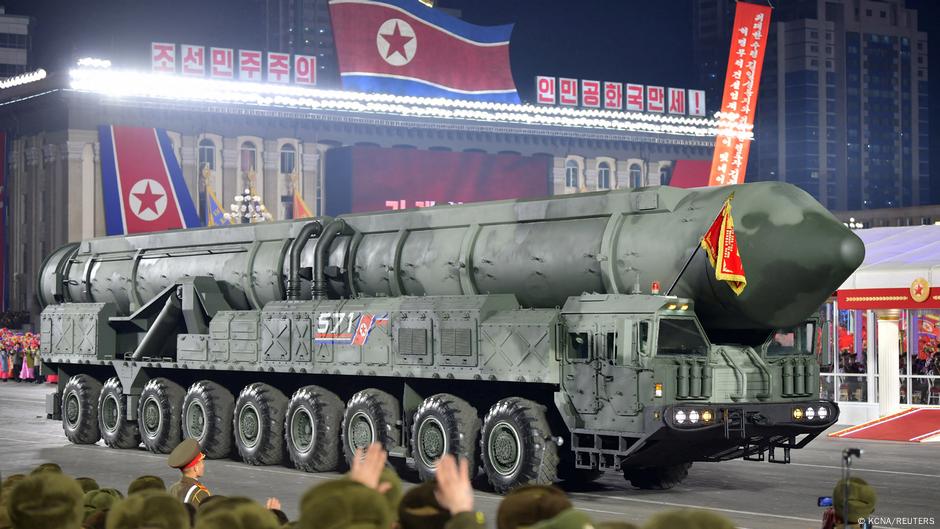
The regime will be keen to determine the effectiveness of its underground bunkers, while looking at the impact of the GBU-57 “massive ordnance penetrator” weapons dropped by the US on Iranian targets in

Operation Midnight Hammer

.

“They are definitely watching very closely what is going on in Iran,” said Chun In-bum, a retired lieutenant general in the Republic of Korea Army and now a senior fellow with the National Institute for Deterrence Studies.

“I believe the conclusions that North Korea will come to will be that they need to
accelerate their nuclear weapons capabilities
, that they need to further fortify their storage areas,” he told News.

Chun added that the North Koreans need to adopt additional protective measures, such as enhanced air defense and retaliatory options.

Pyongyang unlikely to talk

Asked whether there is any likelihood of the attacks encouraging Pyongyang to return to dialogue, Chun said, “Absolutely not. It is just not in their nature.”

Nevertheless, North Korea was almost certainly as shocked as much of the rest of the world at the “decisive nature” of President Donald Trump’s administration, he said.

“This is an America that we have not seen for a long time and would have caught the North by surprise,” Chun said.

“The priority there now will be to ensure that the same thing does not happen to them, which is why I am sure they will be observing closely and accelerating their weapons programs.”

Pyongyang will be aware that its situation is starkly different from that of Tehran, however, both in terms of the geography of the country, the proximity of allies, and the status of the two nations’ nuclear programs, said Leif-Eric Easley, a professor of international studies at Ewha Womans University in Seoul.

“Pyongyang’s nuclear program is much more advanced, with weapons possibly ready to launch on multiple delivery systems, including ICBMs,” he said. “The Kim [Jong Un] regime can threaten the US homeland, and Seoul is within range of many North Korean weapons of various types.”

“In Iran’s case, Israel aggressively exploited Tehran’s strategic and tactical errors, using superior intelligence, technology, and training to degrade Iran’s air defenses, high-value personnel, and retaliatory capabilities,” he pointed out.

“North Korea will learn from Iran’s mistakes, South Korea is more risk-averse than Israel, and China and Russia are better positioned to help Pyongyang than Tehran.”

North Korean leader Kim Jong Un will also lean on his alliance with Russian President Vladimir Putin, he said, to obtain the latest weapons and technology and in sufficient amounts to preserve his regime.

Moscow hosts Iranian minister

“It is no coincidence that Moscow was quick to host Iran’s foreign minister after the US strikes, and that Putin sent Sergei Shoigu to meet Kim Jong Un while the G7 was gathering in Canada,” he said.

“Russia’s coordination with Iran and North Korea shows how security across multiple regions is increasingly linked.”

Ultimately, however, Kim’s priority is ensuring his own personal safety and the future of the only hereditary communist dictatorship, said Chun.

And he will have been deeply alarmed at Trump’s hints that the US military knew where
Iranian supreme leader Ayatollah Ali Khamenei
was hiding and that he favors regime change in Tehran.

“Even now, Kim is very well protected from the threat of a ‘decapitation strike,’ with veils of secrecy around his location and movements,” Chun said.

“I am sure he will maintain that secrecy and make sure that the information on his whereabouts at any time is as limited as possible.”


Edited by: Keith Walker

Author: Julian Ryall