Ruto’s $20K Donation to Albert Ojwang’s Family Sparks Controversy Amid Money Theft Claims


  • Rumours have been circulating on social media accusing the president of not fulfilling his KSh 2 million promise

  • However, according to new information, the family did receive the money in cash but has never touched it

  • The news has not delighted many Kenyans who still believe Mzee Meshack Opiyo should have turned down the donation

Albert Ojwang’s family has denied reports that they are yer to receive the KSh 2 million donation from President Willaim Ruto.

A few days ago, information went rife online, claiming that Ojwang’s family were yet to receive Ruto’s donation, with claims that Meshack Opiyo, Ojwang’s dad, urged the president to remember his pledge.

Ojwang’s uncle defends President Ruto

However, speaking to journalist on Tuesday, Ojwang’s uncle, Kenneth Ouma, denied the claims, noting the family did receive the amout.

Ouma said that the money was delivered in cash during the day they were visited by Homabay Governor Gladys Wanga, who came with the amount.

“It is in public domain that the president gave KSh 2 million. He sent (William Ruto) Hon. Gladys Wanga, who brought the money to the family,” he said.

Ouma noted that the whole amount was sent to the bank account and no one, including Meshack, touched even a cent of it.

He added that they called the Equity bank manager in the Oyugis branch, gave him the cash, and it is safe.

“The day it was brought, is the day it was sent to the official family bank account. Infact, I want to make it clear that the old man did not even touch a leaf of a note. The entire money as it was delivered by Hon Wanga, we called the Equiy bank manager Oyugis at home, all the money was given in cash and given to the bank manger, who I gave the account and can confirm to you that money is safe,” he said.


Just like from early reactions, the comment section did not have nice words to say about the family acceopting the money, which many saw as betrayal.

Here are some of the reactions:

irenemuendon said:

“The moment he thanked Ruto it was finished.”

mwambatalo_sambataba7_official said:

“Shauri yao…we went on the streets and he thanked Ruto rygym nkt.”

lakergal_raviellah said:

“So wako sawa hata kama walikua swindled they will be fine.”

kinjulius3 said:

“Money was given in cash na bank inakam aje ndani.”

stivohmaina said:

“he can never keep a promise.”

ictorkhodis claimed:

“Albert azikwe this people now are in business yet the guy will not get justice,watu wao wameshiba sasa.”

Ojwang’s family denies receiving KSh 10 million in donations

Earlier, the family of Albert Ojwang denied claims they received KSh 10 million in total donations through M-Pesa.

This was after community mobiliser Eric Omondi claimed that from his estimates, the family received about KSh 10 million.

According to Kenneth Ouma, the amount was about KSh 2.6 million and said what Eric did was assumed the total amount.

He noted that the amount could be around KSh 5.6 million in total when you add what the other politicians donated.

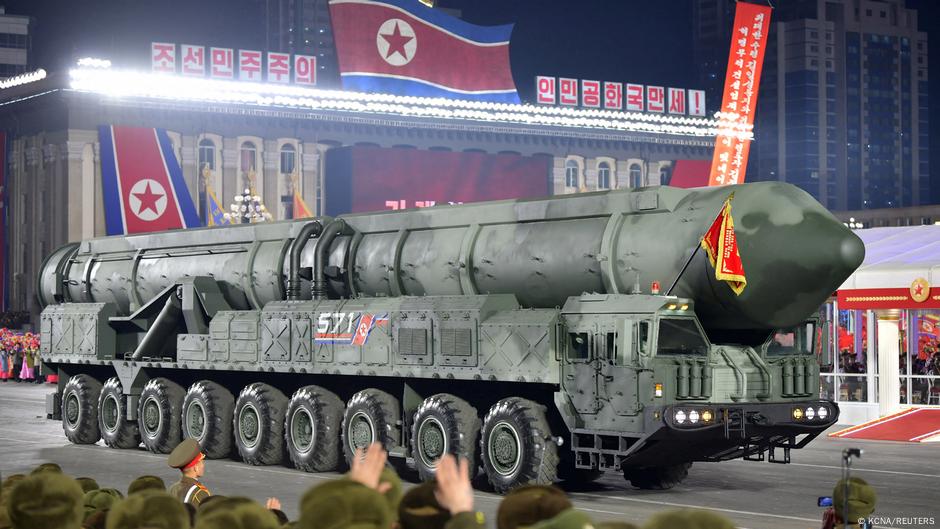
After US Strikes Iran, North Korea Watches Closely


Pyongyang has shared weapons technology and underground construction know-how with Tehran. Now it will want to know how it can best protect itself should the US turn its military attention to North Korea.

North Korea on Monday condemned the
US attacks
against three of Iran’s key nuclear sites, accusing Washington of violating Iran’s territorial integrity and the United Nations Charter.

“The just international community should raise the voice of unanimous censure and rejection against the US and Israel’s confrontational acts,” North Korea’s Foreign Ministry said, according to the Yonhap news agency.

Pyongyang had previously described Israeli missile attacks against Iran as a “hideous act.”

North Korea-Iran alliance

Nuclear-armed North Korea has maintained friendly ties with Iran.

For decades, Tehran and Pyongyang have been suspected of military cooperation, including in developing ballistic missiles that Irainian scientists have reportedly since enhanced.

Around 20 years ago, North Korea began dispatching engineers with specialist deep tunneling expertise.

Since the three-year
Korean War began in 1950
, North Korea has concealed much of its own key military capabilities in underground bases.

The regime will be keen to determine the effectiveness of its underground bunkers, while looking at the impact of the GBU-57 “massive ordnance penetrator” weapons dropped by the US on Iranian targets in

Operation Midnight Hammer

.

“They are definitely watching very closely what is going on in Iran,” said Chun In-bum, a retired lieutenant general in the Republic of Korea Army and now a senior fellow with the National Institute for Deterrence Studies.

“I believe the conclusions that North Korea will come to will be that they need to
accelerate their nuclear weapons capabilities
, that they need to further fortify their storage areas,” he told News.

Chun added that the North Koreans need to adopt additional protective measures, such as enhanced air defense and retaliatory options.

Pyongyang unlikely to talk

Asked whether there is any likelihood of the attacks encouraging Pyongyang to return to dialogue, Chun said, “Absolutely not. It is just not in their nature.”

Nevertheless, North Korea was almost certainly as shocked as much of the rest of the world at the “decisive nature” of President Donald Trump’s administration, he said.

“This is an America that we have not seen for a long time and would have caught the North by surprise,” Chun said.

“The priority there now will be to ensure that the same thing does not happen to them, which is why I am sure they will be observing closely and accelerating their weapons programs.”

Pyongyang will be aware that its situation is starkly different from that of Tehran, however, both in terms of the geography of the country, the proximity of allies, and the status of the two nations’ nuclear programs, said Leif-Eric Easley, a professor of international studies at Ewha Womans University in Seoul.

“Pyongyang’s nuclear program is much more advanced, with weapons possibly ready to launch on multiple delivery systems, including ICBMs,” he said. “The Kim [Jong Un] regime can threaten the US homeland, and Seoul is within range of many North Korean weapons of various types.”

“In Iran’s case, Israel aggressively exploited Tehran’s strategic and tactical errors, using superior intelligence, technology, and training to degrade Iran’s air defenses, high-value personnel, and retaliatory capabilities,” he pointed out.

“North Korea will learn from Iran’s mistakes, South Korea is more risk-averse than Israel, and China and Russia are better positioned to help Pyongyang than Tehran.”

North Korean leader Kim Jong Un will also lean on his alliance with Russian President Vladimir Putin, he said, to obtain the latest weapons and technology and in sufficient amounts to preserve his regime.

Moscow hosts Iranian minister

“It is no coincidence that Moscow was quick to host Iran’s foreign minister after the US strikes, and that Putin sent Sergei Shoigu to meet Kim Jong Un while the G7 was gathering in Canada,” he said.

“Russia’s coordination with Iran and North Korea shows how security across multiple regions is increasingly linked.”

Ultimately, however, Kim’s priority is ensuring his own personal safety and the future of the only hereditary communist dictatorship, said Chun.

And he will have been deeply alarmed at Trump’s hints that the US military knew where
Iranian supreme leader Ayatollah Ali Khamenei
was hiding and that he favors regime change in Tehran.

“Even now, Kim is very well protected from the threat of a ‘decapitation strike,’ with veils of secrecy around his location and movements,” Chun said.

“I am sure he will maintain that secrecy and make sure that the information on his whereabouts at any time is as limited as possible.”


Edited by: Keith Walker

Author: Julian Ryall

Behind Closed Doors: The Quiet Meetings Steering Governance Transformation


…


How strategic engagements with national institutions are laying the foundation for Africa’s next era of compliance


By


Tiffany A. ARCHER


, Esq.

At a pivotal moment for governance and risk management in Ghana, a series of high-level institutional engagements is setting the tone—not only for this week’s Executive Forum on Strategic Compliance™, but for the future of ethical leadership and institutional resilience across the region.

In the days leading up to the Forum, three of Ghana’s most respected institutions—the Institute of Directors–Ghana (IoD-Gh), the Ghana Bar Association, and the State Interests and Governance Authority (SIGA)—are holding closed-door sessions focused on strategic alignment, capacity building, and shared governance priorities.

These are not ceremonial meetings; they are working discussions rooted in national interest and a vision for stronger, values-driven institutions.


Institutional leadership at the forefront

At the invitation of these institutions, Tiffany A. Archer, Esq.—Founder of the Forum and President of Eunomia Risk Advisory, and a lecturer in law—is participating in the meetings as a knowledge partner, representing Eunomia’s commitment to strengthening governance capacity across high-growth markets.

A former Chief Compliance Officer and Fortune 200 legal executive with nearly two decades of global experience, Archer has advised multinational companies through U.S. DOJ and SEC investigations, overseen cross-border compliance strategies across Africa, Europe, and Latin America for multinational companies operating under U.S. and international regulatory regimes, and guided global companies through complex legal challenges, including court-appointed oversight programs—where an external expert monitors a company’s compliance with laws and ethical standards after major violations. Her expertise sits at the intersection of behavioral science, regulatory strategy, and ethical leadership.

Eunomia’s mission is to equip high-growth markets with the strategic insight and institutional tools needed to embed compliance, elevate governance, and manage risk with foresight.

Its work in Ghana reflects that mission in action—engaging with national institutions to advance African-led solutions to complex governance challenges and foster strategic clarity and cultural awareness in a rapidly evolving landscape.

  • At IoD-Gh, President Angela Carmen Appiah and CEO Dr. Alfred Braimah are exploring how board governance practices can be deepened to equip Ghana’s directors with the foresight needed to govern amid economic shifts, regulatory evolution, and digital transformation.
  • At SIGA, the Director-General and CEO, Professor Michael Kpessa-Whyte, along with Head of Governance, Risk and Compliance, Eric Albert Opoku, are leading a discussion on embedding performance-based governance into the oversight of state-owned enterprises—ensuring that SOEs are not just compliant, but positioned to deliver sustained public value.
  • At the Ghana Bar Association, President Efua Ghartey is facilitating dialogue on the legal profession’s role in shaping a culture of preventive compliance, advancing transparency and justice, and helping to close implementation gaps across sectors.

These engagements underscore a broader national imperative: that strong institutions and values-driven governance are not only good practice—they are essential building blocks for Ghana’s long-term development, investment confidence, and regional leadership.


Supporting capacity through knowledge

To support these efforts, Eunomia Risk Advisory is donating copies of Professor Douglas Boateng’s book, Practical Perspectives on Boardroom Governance, to each of the institutions.

Recently approved by the National Council for Curriculum and Assessment (NaCCA) as part of Ghana’s national education framework, the book has been praised for its clarity, accessibility, and real-world relevance.

It reinforces the critical role governance plays in national development—and offers practical tools to strengthen leadership and institutional performance across sectors.

Professor Boateng, one of Africa’s foremost authorities on corporate and supply chain governance, will also deliver the keynote address at the Forum. His work provides both policy-level frameworks and operational tools to enable institutions to govern with accountability, foresight, and long-term impact.


Strategic compliance as a development lever

As Ghana navigates an increasingly complex governance landscape—from regulatory shifts and ESG demands to digital risk and sanctions enforcement—strategic compliance is no longer a technical obligation. It is a lever for national progress.

The meetings this week are addressing:

  • How to expand board oversight into emerging non-financial risks, including ethics, culture, and cyber resilience;
  • How to institutionalize accountability within public enterprises as part of Ghana’s broader economic transformation;
  • How to elevate the legal profession as a force for transparency, enforcement integrity, and ethical growth.

These discussions reflect Eunomia Risk Advisory’s to helping institutions across the region turn policy into practice and aspiration into implementation—work that is now beginning in Ghana through these foundational engagements.

By grounding these conversations in Ghana’s institutional realities, these engagements reinforce a principle too often overlooked: that meaningful compliance begins within, and is sustained through local leadership and ownership.


Laying the groundwork for embedded change

While the Executive Forum on Strategic Compliance™—to be held on 26 June at the Kempinski Hotel—will bring together regional voices to explore AI governance, sanctions, financial crime, and behavioral science, these preliminary engagements ensure the Forum is not simply a convening—but a continuation of collaborative work already in motion. With limited seats remaining, registration is still open at
www.executiveforumcompliance.com
for those who wish to be part of this timely and impactful conversation.


A Ghanaian-led vision for ethical leadership

As the continent works toward the goals of Agenda 2063, Ghana’s leading institutions are demonstrating that good governance is not a foreign requirement—it is a national imperative, and a sovereign strength.

In the words of one senior leader involved in this week’s engagements, “Strategic compliance is not just about meeting requirements. It’s about building the kind of institutions that will carry this country forward.” Through these dialogues, Ghana is charting a path where ethics, risk intelligence, and institutional credibility form the foundation of competitive advantage—not only for today’s governance landscape, but for generations to come.

We hope to see you there.


>>>the writer is President and Founder of Eunomia Risk Advisor Inc, a specialized advisory firm advancing ethical governance, institutional resilience, and risk foresight across jurisdictions. She is also the Co-Chair of the Executive Forum on Strategic Compliance.

Provided by SyndiGate Media Inc. (
Syndigate.info
).

GTEC DG Explores Innovations at Family Health University

Director-General (DG) of the Ghana Tertiary Education Commission (GTEC), Professor Ahmed Jinapor Abdulai, has paid an informal visit to Family Health University (FHU), to observe the institution’s progress since receiving its Presidential Charter.

The visit was hosted by FHU’s Founder and Vice-Chancellor, Professor Enyonam Yao Kwawukume and Dr. Susu Bridget Kwawukume, Founder and Chief Medical Director of Family Health Hospital. They welcomed the GTEC Director-General, with gratitude, highlighting how meaningful the visit was to the institution, and expressed their heartfelt appreciation for GTEC’s unwavering support over the years.

Senior Members present at the meeting included the Pro-Vice Chancellor, Professor Philip Odonkor; the Registrar, Mrs. Rita Kaine; Dean of the Medical School, Dr. Sylvester Yaw Oppong; Acting Dean of the School of Nursing and Midwifery, Dr. Augustina Ofori-Asamoah; GEMP Coordinator, Professor Festus Adzaku; Director of Academics and Students Affairs, Dr. Emmanuel Labram; the immediate past Dean of the Medical School, Dr. Charles Fleischer-Djoleto; the Hospital Administrator, Madam Joana Agyare, and the Matron of the Hospital, Madam Veronica Amedo.

In his remarks, the GTEC Director-General commended the university’s “massive speed of development within a short time,” praising it as evidence of visionary leadership, a strong governing board, and a highly qualified faculty. He noted that FHU’s rapid growth and innovation affirmed its prestigious status as Ghana’s first private chartered university with a medical school.

Prof. Kwawukume also shed light on FHU’s contributions to global healthcare, particularly its hallmark bloodless fibroid surgical method, now gaining attention from global health bodies such as the World Health Organisation (WHO).

In the area of public health, Prof. Kwawukume reiterated FHU’s commitment to research, and pledged to eliminate cervical cancer in the Teshie-Nungua enclave within five years. He also expressed heartfelt condolences on the loss of Professor Timothy R.B. Johnson, a founding mentor whose role in shaping FHU’s success was invaluable. A newly named e-library on campus now bears his name in honour.

The visit also sparked critical discussions on policy. Dr. Sylvester Yaw Oppong, the Dean of the Medical School, made a passionate appeal for government support in the form of tax rebates for medical equipment, and also advocated for the extension of fee waivers for first-year students in private chartered universities, emphasising national equity in education.

Looking to the future, FHU announced its commitment to explore AI-assisted health technologies through local partnerships to enhance medical education and healthcare delivery.

The GTEC Director reaffirmed the Commission’s support for private science-based universities, noting that many private institutions are not profit-driven but face challenges that require national support.

The visit concluded with a campus tour, including stops at the ultra-modern emergency wards, dialysis unit, cadaver lodge, lecture halls, the university library, and the e-library. Prof. Abdulai also engaged with students, spoke briefly about the work of GTEC, and encouraged them to study diligently.

The visit marks a renewed chapter of collaboration between FHU and GTEC, reinforcing the role of visionary private institutions in Ghana’s tertiary and healthcare education space.

The post
GTEC DG Visits Family Health University
appeared first on
DailyGuide Network
.

Provided by SyndiGate Media Inc. (
Syndigate.info
).

2027 Warning: Atiku-led ADA Poses Threat, Group Alerts Nigerians

The Oduwa Peoples Assembly (OPA) has issued a strong warning to Nigerians over the emergence of the All Democratic Alliance (ADA), a new political coalition reportedly spearheaded by former Vice President Atiku Abubakar.

In a statement by the group’s leader, Rechard Oltunji Kayode, expressed grave concern over the composition of the coalition, alleging that its leadership is made up of individuals whose records in public service have been tainted by allegations of corruption, poor governance, and self-interest.

Kayode said: “The leadership of the ADA is comprised of individuals who have long been associated with political opportunism, a trait that has severely undermined the trust of the Nigerian people in their leadership.

“Key figures such as Nasir El-Rufai and Rotimi Amaechi, among others, have been discredited through their actions and policies during their tenures in office. Their records reveal a troubling pattern of governance characterized by self-interest, corruption, and a blatant disregard for the welfare of the Nigerian populace.

“Nasir El-Rufai, the former Governor of Kaduna State, is emblematic of the kind of leadership that has brought our nation to its knees. His administration was marked by controversial policies and a lack of transparency, which left many citizens questioning his commitment to democratic principles.

“His involvement in the ADA raises serious concerns about the coalition’s intentions, as he has repeatedly demonstrated a willingness to prioritize political gain over the needs of the people he was elected to serve.

“Similarly, Rotimi Amaechi, the former Governor of Rivers State and Minister of Transportation, has a history of political maneuvering that has often favored his personal ambitions rather than the collective good. His leadership style has been criticized for fostering division and conflict rather than unity and progress.

“The OPA believes that the inclusion of such figures in the ADA is indicative of a coalition that is more interested in consolidating power than in addressing the pressing issues facing our nation.

“The desperation exhibited by the leadership of the ADA is palpable. In a bid to regain relevance and influence, these political opportunists are attempting to repackage themselves under a new banner, hoping that the electorate will forget their past misdeeds.

“However, the Nigerian people are not easily fooled. The electorate is increasingly aware of the need for genuine leadership that prioritizes accountability, integrity, and the common good.”

He urged Nigerians to resist being “swayed by the superficial allure” of the coalition and instead demand genuine leadership anchored on accountability, integrity, and national development.

He added, “The OPA urges all Nigerians to remain vigilant and critically assess the motives behind the formation of the All Democratic Alliance. This coalition should not be viewed as a beacon of hope for our democracy but rather as a continuation of the same old political games that have plagued our nation for decades.

“The ADA’s leadership is not equipped to offer the transformative change that Nigeria desperately needs; instead, it represents a regression to the very practices that have stifled our progress.

“It is our duty to demand better from our leaders. We must hold them accountable for their past actions and challenge the narratives that seek to mislead us. The Oduwa People’s Assembly calls upon all Nigerians to be discerning in their political choices and to support movements and individuals who demonstrate a true commitment to the principles of democracy, justice, and national development.

“The Oduwa People’s Assembly stands firm in its warning against the All Democratic Alliance. Let us not be swayed by the superficial allure of a new political coalition led by discredited figures. Instead, let us strive for a future where our leaders are genuinely invested in the welfare of our nation and its people.”

Provided by SyndiGate Media Inc. (
Syndigate.info
).

Power, Education, and Transformation in Africa: An International Perspective

It is a privilege to have received the opportunity to give the first distinguished lecture at Karl Kumm University at Vom under the leadership of Professor Audu Nanven Gambo. It was such an exciting moment for the entire student body and the entire management. Thank you.

The modern debate on the evolution of Africa has revealed how closely power, education, and social change interact to both spur on and impede growth. The historical confrontations with colonization, state-building, and political power of the continent have shaped the function of education as a vehicle for societal reform. These challenges have affected our view of and use of schooling. The complex link between education and power has had a major influence on the course of Africa’s development, all things considered. Education has been used not only for personal development but also for maintaining the status quo and exerting population control during most of Africa’s history, hence preserving the integrity of the continent. It has not only helped to create power in post-colonial settings but also challenged accepted systems of governance, therefore generating ongoing conflict between what education should be and how it may be used to propel change.

Thus, one must look at the three fundamental types of power—political, economic, and social—to grasp this dynamic. Every one of these kinds of power is very important in the development of African educational systems. The ways in which various types of power are mixed affect the people who have access to education, the features of that education, and the results generated for society at large. Political power in many African nations determines the distribution of resources, educational policy, and curriculum, therefore influencing the course of education. Economic power affects who can afford good education in the meantime, which in turn affects the job market, social mobility, and national economic growth. Social power shapes educational materials; it is usually expressed via cultural and traditional values. Power supports or questions the prevalent societal norms and roles.

While trying to understand the historical link between power and education in Africa, the legacy of colonialism is most certainly the most crucial factor to consider. Throughout their period of colonial rule, European countries established educational institutions intended to serve the economic interests of their countries. Education aimed to achieve this. This legacy of exclusion and control has affected African education for decades, leaving many African nations with disjointed educational institutions disconnected from their social reality and economic needs.

After gaining their freedom, African leaders worked to change their educational institutions such that they would be in accordance with national development goals and that education would be available to a greater spectrum of individuals. Still, the process of educational reform was made more challenging by the presence of relics of colonial education institutions in addition to political unrest, inadequate funding, and the restrictions of economic modernism. Many times, the political elite—who had attended colonial institutions—kept their control over decision-making even after their schooling. This guaranteed that rather than allowing significant change, education would always be a tool for maintaining power. Consequently, many African nations’ educational systems kept pushing inequality, so limiting access to education for underprivileged groups—especially women, rural people, and ethnic minorities.

Notwithstanding the challenges that have been thrown forward, education has remained a major transforming agent for Africa. Throughout history, educated elites have driven political reform, social fairness, and independence. Most African independence movement intellectuals were educated in Western countries, but they used their knowledge to question colonial authority and demand African autonomy. Education empowered people to strive for change and assess their political and social conditions in this atmosphere. Education also turned into a tool for personal emancipation. After Africa acquired its freedom, education has kept its importance, especially as a means of supporting democracy, challenging long-standing political regimes, and advancing social movements.

Another crucial role that education plays in deciding the course of Africa is in fostering economic development. In countries where education systems are more easily available and inclusive of a greater spectrum of individuals, there is a higher likelihood for upward social mobility and economic growth. For the educational systems situated in Africa, the notable rise in the number of young people presents both possibilities and challenges. Africa could rise globally in technical innovation, entrepreneurship, and creative ability. This is so because the continent boasts a huge population consisting of youthful people. Still, this promise can only be fulfilled if African countries invest in their educational institutions and guarantee that young people have the tools they need to flourish in an always-changing environment. To ensure that education can meet the demands of a global economy that calls for intellectual flexibility, creativity, and invention, this calls not only for raising the number of persons who have access to it but also for improving the quality of it.

Given Africa’s entry into the twenty-first century, the value of education in deciding the political and economic course of the continent is rising at an unheard-of rate. Education is a vehicle for the overall change of society as well as a tool for personal development. Possible results of this are the empowerment of people, the challenging of unfair systems, and the building of a future that is more equal and sustainable.

Colonialism shaped the intellectual and cultural fabric of civilizations under colonial rule as well as land and resource acquisition. By means of education, colonial authorities sought to impose mental control over the Africans. This was carried out to make sure the African people followed the policies endorsing European supremacy. Through the educational system then in use during colonial times, a class of enslaved people meant to serve the colonial administration and help the exploitation of African resources was supposed to be produced.

The basis upon which the colonial education system in Africa was first developed was control. By imposing their educational models on African people, the European colonists undermined local knowledge systems, languages, and cultural practices. The main goal of this project was to produce a small, educated elite who would act as middlemen between the colonial powers and the more general African people. Conversely, this system was not meant to make the lives of most Africans better. Most of the populace was either compelled to follow a curriculum that failed to sufficiently equip them with the required skills and knowledge or was not allowed to engage in official education. This led to the building of exclusive, divorced from the demands of African civilization’s educational institutions throughout colonial administration.

Many African nations still today benefit from this colonial era educational approach that was devised. The objective of post-colonial Africa has been to transform these inherited systems into something that captures the needs, values, and aspirations of African civilizations. Even though many African nations have modernized their educational institutions, colonialism still shapes education. Colonial schools stressed Western ideas, languages, and knowledge over African cultures, languages, and worldviews. This legacy has thus led to the creation of an educational system that regularly values Western knowledge more than indigenous knowledge. Many African people have thus grown to feel inferior and culturally alienated.

One of the traits of colonial education that has kept its impact throughout time is the predominance of foreign languages in African schools. The main languages of instruction were those of the colonial powers—English, French, Portuguese, and others—which drove the indigenous African languages to the background. The educated elite, who speak these languages fluently, and most people who might not have access to top-notch education in their home tongue, live in different spheres. The adoption of foreign languages in education has produced this separation that has had a long-lasting effect on African civilizations. This linguistic barrier has preserved residents’ incapacity to completely participate in political, social, and economic life as well as their inability to have equal access to educational possibilities. Another element influencing the loss of cultural identity is the belief that indigenous languages are less valuable or less able to express complex ideas in contrast to European languages.

Another result of colonial education passed down to the next generations is the ongoing focus on academic knowledge at the price of practical and technical skills. During colonial control, education was meant to produce a limited number of people who could satisfy colonial government or administration criteria. This system overlooked the instruction of practical skills, which were vital for the mass of the population, while it gave Western knowledge—including European history, literature, and mathematics—top priority. While vocational and technical education is still underdeveloped in many African nations today, academic education—especially in the humanities and sciences—remains preferred in many of them. This has resulted in a mismatch between the skills taught in schools and the needs of the labor market, therefore impeding economic progress and worsening the unemployment rate among young people.

The educational system during the colonial era bolstered the economic institutions supporting colonial exploitation as well. African students received the education required to function in administrative roles in the colonial system or engage in low-paying manual labor jobs. A lack of emphasis on critical thinking, creativity, and entrepreneurship led to a great number of Africans not being able to question the status quo and develop self-sustaining economies. Although there are many successful stories, the legacy of colonial education continues to be a major impediment to African development. Major issues that require attention include the predominance of foreign languages, preference for academic education over vocational training, and the continuing access gap.

To address these challenges depends on major changes in the conception and delivery of education. African countries must realize that education is about developing critical thinking, creativity, and invention as much as knowledge acquisition. The future of Africa depends on the development of an education system that enables Africans to question the status quo, build economies able to support themselves, and engage in the worldwide knowledge economy.

The change at the heart of the change is a shift in education priorities. The continent will grow by a factor of three in 50 years and has never experienced anything like it. The majority of this growth will be concentrated in cities, which will experience a sharp increase in the young population. The demography of the continent offers a chance, even if it is a challenge. The educated youth of Africa could be the spark of a new era of technological advancement, entrepreneurship, and invention. However, if there is no proper investment in education, the continent risks seeing an even greater divide between city and country, between educated and uneducated, and between the rich and the poor. Africa’s educational systems must be changed to better satisfy the several needs of the inhabitants of the continent. Unlocking this potential requires this key. In an inclusive educational system, accessibility and quality should be given first attention. Guaranteeing that children from all walks of life, whether they are living in rural or urban environments, coming from a variety of socioeconomic origins, or coming from marginalized communities, depends on increasing access to education. The enhancement of the quality of education depends on the process of matching it with the demands of Africa’s always-shifting labor market. Many African educational institutions that were founded in the past were meant to provide workers for conventional sectors like mining and agriculture. Still, the globe is changing significantly right now, and Africa must teach its young people a more varied economic structure. Among these policies is the improvement of vocational and technical education, which has often been underlined in preference for academic education.

Africa cannot afford to lag since technology is becoming a more significant engine of the world economy. To properly include technology in educational institutions, governments, teachers, and politicians must cooperate at all levels of education. For this, one needs the supply of digital infrastructure at educational institutions, the instruction of instructors in the application of technology, and the development of educational programs, including coding, digital literacy, and data science. Moreover, the spread of digital platforms and online education presents Africa with a chance to bridge the educational gap by means of flexible and reasonably priced access to world-class quality learning resources.

Other than the use of technology, it is equally important to have a close linkage of educational institutions to the African reality. This includes a recognition of the value of indigenous knowledge and its application in the curriculum. In the agriculture, environment, and health sectors, for instance, indigenous knowledge has strengths that can inform current solutions. This is particularly important as African countries seek to achieve sustainable development. Apart from safeguarding the continent’s cultural heritage, the application of this knowledge is useful in finding practical solutions that suit the situations in which they are to be used to solve problems facing the communities where they exist.

Furthermore, aggravating the situation is the need to aggressively advance social and emotional learning as well as leadership and entrepreneurship in African educational institutions. Though they are crucial for the growth of well-rounded people who can benefit their communities, these soft skills are occasionally disregarded in conventional classroom environments. Particularly, the growth of political stability, efficient government, and active involvement in civic politics depends on leadership qualities. A new generation of leaders committed to the ideals of democracy, human rights, and social justice could be produced via education, but only indirectly. Emphasizing the growth of leadership abilities in the next generations would help one to achieve this.

Reform of education depends on addressing the structural issues still hindering advancement. Funding remains one of the most basic challenges facing many African countries in terms of the transformation of their educational system. Even though quality education is crucial for development, the governments of many African countries still pay lip attention to its funding. Obviously, the neglect and inadequate funding in the education sector constitute the reason for many recurring problems in the education sector. Not only for national governments but also for international donors and corporate sector actors, a rise in the amount of money spent on education should be the priority. Governments have to answer for their activities to guarantee that monies are distributed to enhance access, quality, and equity and that budgets for education are run suitably.

Apart from ensuring enough money, it is imperative to enhance the administration of educational systems. Among these are improvements in institutional capacity, teacher preparation, and increased openness and encouragement in educational management. Policies backed by data and informed by research on what works and what does not work in the framework of Africa must lead to educational changes. Policymakers should carefully work with teachers, students, and communities to create policies that fit the needs and conditions of every community rather than focus on answers that are generally applicable.

Achieving change in Africa depends on our capacity to use education’s power to produce political, social, and economic transformation. There is no doubt that our past with colonialism still clogs the wheel of educational institutions across Africa, but then, this does not in any way affect the future of Africa. The truth is, if Africa can take education as an empowering tool to advance equity and encourage innovation amongst its people, it can definitely create a strong educational framework that prepares its people for global challenges. If the right changes are carried out, the youth of Africa might be the engine behind a fresh phase of development, possibility, and change. This new age will welcome the opportunities of the future and go past the limitations of the past.

Provided by SyndiGate Media Inc. (
Syndigate.info
).

7 Destinasi Wisata Murah dan Seru di Bandung untuk Liburan Keluarga


DESK JABAR

– Liburan sekolah telah tiba, Bandung kembali jadi magnet wisata keluarga. Udara sejuk, akses mudah, serta ragam destinasi ramah anak menjadikan Kota Kembang sebagai pilihan utama untuk liburan hemat tapi tetap seru dan bermakna.

Tren liburan low budget kini tak berarti membosankan. Banyak destinasi di Bandung yang menawarkan pengalaman seru, edukatif, sekaligus Instagramable tanpa bikin kantong bolong. Mulai dari taman tematik, kebun edukatif, hingga wahana outbound yang aman untuk anak-anak, semuanya hadir untuk mendukung momen quality time bersama keluarga.

Berikut ini 7 tempat liburan sekolah murah di Bandung yang cocok untuk anak-anak. Rekomendasi ini cocok untuk orang tua yang ingin mengajak si kecil bermain sambil belajar, dengan fasilitas lengkap dan harga tiket bersahabat.


1. The Nice Park – Wahana Edukatif dan Alam Terbuka

  • Tiket masuk: Rp30.000–Rp60.000

  • Jam buka: 08.00–17.00 WIB

  • Usia anak: 3 tahun ke atas

  • Lokasi: Cisarua, Bandung Barat

The Nice Park menghadirkan wahana outbound, mini zoo, playground, dan area kuliner dalam satu kawasan. Anak-anak bisa belajar mengenal hewan, bermain di alam terbuka, dan melatih motorik dengan kegiatan seru yang dirancang aman untuk anak-anak.


2. Dago Dream Park – Spot Seru dan Instagramable di Utara Bandung

  • Tiket masuk: Mulai Rp35.000

  • Jam buka: 09.00–17.00 WIB

  • Usia anak: 4 tahun ke atas

  • Lokasi: Dago Giri

Penuh warna dan kreativitas, Dago Dream Park cocok untuk anak yang aktif. Ada ATV, flying fox, naik perahu, dan spot memberi makan hewan. Banyak area selfie kekinian yang bikin anak-anak (dan orang tua) betah foto-foto seharian.


3. Jendela Alam – Serunya Berkebun dan Beternak

  • Tiket masuk: Rp20.000 (aktivitas tambahan mulai Rp120.000)

  • Jam buka: 09.00–16.00 WIB

  • Usia anak: 3 tahun ke atas

  • Lokasi: Lembang

Kalau cari wisata edukatif di Lembang, Jendela Alam adalah jawabannya. Anak-anak bisa belajar menanam, memanen sayuran, hingga memberi makan hewan ternak. Ada juga flying fox dan berkuda untuk pengalaman yang tak terlupakan.


4. Taman Lalu Lintas Ade Irma Suryani – Edukasi Transportasi Sejak Dini

  • Tiket masuk: Rp10.000

  • Jam buka: 08.00–15.00 WIB (tutup Jumat)

  • Usia anak: 4 tahun ke atas

  • Lokasi: Pusat Kota Bandung

Taman legendaris ini mengajarkan anak tentang rambu lalu lintas lewat permainan. Ada kereta mini, carrousel, kolam renang anak, dan playground. Lokasinya sangat strategis di pusat kota—aksesnya mudah, serunya maksimal.


5. Kebun Teh Rancabali – Piknik Asri dengan Pemandangan Hijau

  • Tiket masuk: Gratis (hanya bayar parkir)

  • Jam buka: 06.00–17.00 WIB

  • Usia anak: Semua usia

  • Lokasi: Ciwidey

Ingin liburan murah meriah tapi tetap berkesan? Kebun Teh Rancabali menawarkan hamparan hijau yang menyejukkan mata. Anak-anak bisa berjalan santai, piknik, dan belajar soal proses pembuatan teh langsung dari kebunnya.


6. Taman Hutan Raya (Tahura) Ir. H. Juanda – Trekking dan Wisata Alam

  • Tiket masuk: Rp17.000

  • Jam buka: 08.00–16.00 WIB

  • Usia anak: 5 tahun ke atas

  • Lokasi: Dago Pakar

Buat keluarga pecinta alam, Tahura adalah pilihan terbaik. Ada jalur hiking ringan, gua Jepang-Belanda, hingga air terjun. Cocok untuk mengenalkan si kecil pada keindahan dan pentingnya menjaga lingkungan sejak dini.


7. WE Family Outbound Dusun Bambu – Seru-seruan Bareng Keluarga

  • Tiket masuk: Mulai Rp85.000

  • Jam buka: 09.00–17.00 WIB

  • Usia anak: 5 tahun ke atas

  • Lokasi: Lembang

Dusun Bambu kini punya zona baru yang dirancang khusus untuk keluarga. Ada wahana rainbow slide, bumper boat, hingga water coaster. Selain seru, areanya hijau dan luas—pas buat anak-anak bebas eksplorasi sambil tetap aman. ***

Jadwal & Harga Terkini Tiket Bus AKAP Bali ke Pulau Jawa, Cek Sekarang!


bali.jasa SEO seoyandira.com –

, DENPASAR – Bagi Anda yang hendak melakukan perjalanan keluar masuk
Bali
pada Sabtu hari ini (21/6), tidak perlu khawatir.

Banyak pilihan perjalanan keluar masuk Pulau Bali.

Bisa melalui udara, laut atau jalur darat.

Pilihan jalur darat yang representatif untuk perjalanan jarak jauh adalah memakai bus.

Sejumlah Perusahaan Otobus (PO) melayani perjalanan jarak jauh dari Bali menuju sejumlah terminal besar di Jakarta, Bandung dan Pulau Jawa lainnya.

Anda bisa memilih perjalanan dari
Terminal Mengwi
, Badung, tujuan Jakarta, Bandung, Semarang, DI Yogyakarta atau sejumlah kota besar lainnya di Provinsi Jawa Timur.

Tersedia executive bus hingga suite class untuk perjalanan yang memakan waktu 1 x 24 jam.

Harga relatif lebih murah dari tiket pesawat terbang.

Berikut perincian jadwal dan harga tiket
bus AKAP
dari Terminal Mengwi ke sejumlah terminal besar di Pulau Jawa, Sabtu hari ini (21/6) dilansir dari traveloka dan redbus:


1. Rute Bali – Jakarta


Bus Pahala Kencana

Mengwi Badung – Terminal Terpadu Pulo Gebang Jakarta, Pondok Pinang dan Kampung Rambutan

Keberangkatan pukul 13.10 WITA

Harga Rp 570.000


Bus Debe Trans

Mengwi Badung – Terminal Pulo Gebang dan Pondok Pinang

Keberangkatan pukul 11.00 dan 14.20 WITA

Harga Rp 522.000 – 580.000


Bus Lorena

Mengwi Badung – Terminal Pulo Gebang dan Lorena Cabang RA Kartini

Keberangkatan pukul 07.00 WITA

Harga Rp 565.000


Bus Gunung Harta

Denpasar – Terminal Terpadu Pulo Gebang, Pondok Pinang dan Kalideres

Keberangkatan pukul 07.00 dan 09.00 WITA

Harga Rp 600.000 – 620.000


Bus Kramat Djati

Mengwi Badung – Pondok Pinang, Terminal Kampung Rambutan dan Terminal Bus Pulo Gebang

Keberangkatan pukul 07.00 dan 13.00 WITA

Harga Rp 625.000


Bus Cahaya Kembar Gemilang (CKG)

Agen Mengwi CKG – Terminal Pulo Gebang, Agen CKG Pasar Rebo, Agen CKG Cilandak, Pondok Pinang, Ringroad Kapuk dan Kalideres (Sleepers)

Keberangkatan pukul 13.00 dan 14.30 WITA

Harga Rp 600.000 – 700.000 – 850.000


Bus Sinar Jaya

Denpasar – Terminal Pulo Gebang, Kampung Rambutan, Kalideres dan Lebak Bulus

Keberangkatan pukul 13.40 dan 13.55 WITA

Harga Rp 630.000 – 890.000


Bus Wafaa Holiday

Terminal Mengwi – Terminal Pulo Gebang, Kampung Rambutan dan Lebak Bulus

Keberangkatan pukul 20.00 WITA

Harga Rp 580.000


2. Rute Bali – Bandung, Jawa Barat


Bus Pahala Kencana

Mengwi Badung – Kantor Pahala Kencana Cileunyi, Terminal Leuwi Panjang, Pahala Kencana Cimindi dan Pahala Kencana Cimahi

Keberangkatan pukul 08.24 dan 13.05 WITA

Harga Rp 570.000


Bus Gunung Harta

Denpasar – Gunung Harta Cimahi dan Terminal Cicaheum Bandung

Keberangkatan pukul 06.00 WITA

Harga Rp 580.000 – 600.000


Bus Kramat Djati

Mengwi Badung – Jalan Soekarno Hatta Bandung

Keberangkatan pukul 13.00 WITA

Harga Rp 585.000


Bus Debe Trans

Mengwi Badung – Bandung

Keberangkatan pukul 11.00 WITA

Harga Rp 522.000 – 540.000


Bus Madu Kismo

Mengwi Badung – Agen Madukismo Paramon, Rancaekek, Cileunyi, Cimindi dan Cimahi

Keberangkatan pukul 08.00 WITA

Harga Rp 580.000


3. Rute Bali – DI Yogyakarta


Bus Wisata Komodo

Denpasar – Terminal Giwangan dan Kantor Wisata Komodo Janti

Keberangkatan pukul 12.00 WITA

Harga Rp 320.000 – 385.000


Bus Gunung Harta

Denpasar – Gunung Harta Yogyakarta, Terminal Jombor dan Terminal Giwangan

Keberangkatan pukul 06.00, 09.00, 12.00 WITA

Harga Rp 380.000 – 410.000


Bus Pahala Kencana

Mengwi Badung – Terminal Giwangan Yogyakarta, Agen Pahala Kencana Janti, Terminal Jombor

Keberangkatan pukul 08.24 WITA

Harga Rp 350.000 – 415.00 – 430.000


Bus Restu Mulya

Mengwi Badung – Terminal Giwangan Jogjakarta

Keberangkatan pukul 12.00 WITA

Harga Rp 385.000 – 392.000


Bus Surya Bali

Mengwi Badung – Terminal Jombor, Giwangan, Agen Surya Bali Dongkelan

Keberangkatan pukul 13.00 WITA

Harga Rp 350.000


Bus Mansion

Kantor Mansion Bali – Terminal Giwangan dan Jombor Yogyakarta

Keberangkatan pukul 11.30 WITA

Harga Rp 400.000


Bus Tami Jaya

Agen Tami Jaya Mengwi/Terminal Mengwi – Agen Tami Jaya Jogja – Garasi Tinosidin (Executive – Suite Class)

Keberangkatan pukul 12.45 & 14.45 WITA.

Harga Rp 450.000 – 600.000


Bus Damri

Terminal Mengwi – Terminal Bangutapan

Keberangkatan pukul 18.00 WITa

Harga Rp 391.500


Bus Mtrans

Terminal Mengwi – Prambanan, Kantor Mtrans Yogyakarta

Keberangkatan pukul 13.55 dan 15.45 WITA

Harga Rp 438.750 – 675.000


Bus Safari Dharma Raya

Terminal Mengwi – Terminal Giwangan, Terminal Jombor

Keberangkatan pukul 13.30 WITA

Harga Rp 310.000


4. Rute Bali – Semarang, Jawa Tengah


Bus Pahala Kencana

Mengwi Badung – Terminal Mangkang Semarang dan SPBU Mangkang

Keberangkatan pukul 12.13 dan 12.43 WITA

Harga Rp 420.000


Bus Madu Kismo

Mengwi Badung – Terminal Banyumanik, Terminal Mangkang, Terminal Bawen, Terminal Ungaran

Keberangkatan pukul 12.00 WITA

Harga Rp 500.000


Bus Surya Bali

Terminal Mengwi – Terminal Torboyo

Keberangkatan pukul 13.30 WITA

Harga Rp 400.000


Bus Gunung Harta

Denpasar – Terminal Mangkang, Penggaron

Keberangkatan pukul 09.00 dan 11.00 WITA

Harga Rp 350.000 – 380.000


Bus Safari Dharma Raya

Terminal Mengwi – Mangkang, Terminal Banyumanik, agen Ungaran

Keberangkatan pukul 13.30 WITA

Harga Rp 325.000


Bus Mayora – Surya Trans

Agen Surya Trans Sempidi – Terminal Bawen, Agen Surya Trans Krapyak

Keberangkatan pukul 11.20 dan 12.00 WITA

Harga Rp 350.000


Bus Sinar Jaya

Denpasar – Mangkang

Keberangkatan pukul 13.40 WITA

Harga Rp 630.000


Bus Mtrans

Denpasar – Terminal Bawen, Terminal Tingkir Salatiga, Pasar Bandarjo dan Kantor Mtrans Tugu Muda

Keberangkatan pukul 13.15 dan 16.45 WITA

Harga Rp 438.750 – 675.000 – 787.500


5. Denpasar – Jepara


Bus Surya Bali

Terminal Mengwi – Mayong, Terminal Pancangan, Terminal Jepara

Keberagkatan pukul 13.30 WITA

Harga Rp 380.000 – 400.000


Bus Gunung Harta

Terminal Mengwi – Terminal Kelet

Keberangkatan pukul 11.00 dan 15.30 WITA

Harga Rp 350.000


6. Rute Bali – Purwokerto, Banyumas, Jawa Tengah


Bus Wisata Komodo

Mengwi Badung – Terminal Bulupitu Purwokerto

Keberangkatan pukul 12.00 WITA

Hagra Rp 405.600


Bus Pahala Kencana

Mengwi Badung – Pahala Kencana Sumpiuh, Buntu, RM Taman Sari Cilacap, Agen Bus Sampang, Jatilawang dan Wangon

Keberangkatan pukul 08.24 WITA

Harga Rp 470.000


Bus Mansion

Kantor Mansion Bali – Buntu

Keberangkatan pukul 11.00 WITA

Harga Rp 600.000


Bus Madu Kismo

Mengwi Badung – Terminal Wangon

Keberangkatan pukul 08.00 WITA

Harga Rp 500.000


Bus Amin Jaya

Mengwi Badung – Buntu

Keberangkatan pukul 10.30 WITA

Harga Rp 480.000


Bus Gunung Harta

Terminal Mengwi – Alun-alun Gajah Mada, Jatil

Keberangkatan pukul 07.20 dan 11.20 WITA

Harga Rp 470.000


7. Rute Bali – Solo, Jawa Tengah


Bus Pahala Kencana

Mengwi Badung – SPBU Pabelan dan Pahala Kencana Kartasura

Keberangkatan pukul 08.24 dan 12.13 WITA

Harga Rp 430.000


Bus Gunung Harta

Mengwi Badung – Terminal Tirtonadi Solo

Keberangkatan pukul 11.30 dan 12.30 WITA

Harga Rp 350.000 – 550.000


Bus Wisata Komodo

Denpasar – Terminal Tirtonadi Solo

Keberangkatan pukul 12.30 WITA

Harga Rp 385.000


Bus Kramat Djati

Mengwi Badung – Kota Solo

Keberangkatan pukul 07.00 dan 13.00 WITA

Harga Rp 315.000


Bus Restu Mulya

Mengwi Badung – Terminal Tirtonadi Solo

Keberangkatan pukul 10.30 dan 12.00 WITA

Harga Rp 392.000


Bus Tami Jaya

Mengwi Badung – Palur Plaza, Tugu, Terminal Tironadi (Executive)

Keberangkatan pukul 12.40 WITA

Harga Rp 450.000

Mengwi Badung – Terminal Tirtonadi dan Tugu (Suite Class)

Keberangkatan pukul 12.45 WITA

Harga Rp 550.000 – 600.000


Bus Mtrans

Puspem Badung – Terminal Tirtonadi via Wonogiri (The Palace dan Sleeper)

Keberangkatan pukul 13.15, 13.55 dan 14.15 WITA

Harga Rp 438.750 – 675.000


Bus Safari Dharma Raya

Mengwi Badung – Terminal Tirtonadi

Keberangkatan pukul 13.30 WITA

Harga Rp 325.000


Bus Madu Kismo

Mengwi Badung – Terminal Tirtonadi (Sleeper)

Keberangkatan pukul 12.00 WITA

Harga Rp 500.000


Bus Mansion

Kantor Mansion Bali – Solo

Keberangkatan pukul 11.00 dan 11.30 WITA

Harga Rp 390.000


Bus Surya Bali

Terminal Mengwi – Terminal Kartasura

Keberangkatan pukul 13.00 WITA

Harga Rp 350.000


Bus Amin Jaya

Terminal Mengwi – Solo

Keberangkatan pukul 10.30 WITA

Harga Rp 385.000


Bus Sinar Jaya

Terminal Mengwi – Agen Sinar Jaya Kartasura

Keberangkatan pukul 13.40 WITA

Harga Rp 630.000


8. Rute Bali – Surabaya, Jawa Timur


Bus Mtrans

Puspem Badung – Terminal Purabaya Bungurasih (Executive, Executive Class, The Sultan dan Emperor)

Keberangkatan pukul 16.00, 16.30, 17.30 WITA

Harga Rp 315.000 – 410.625 – 455.625 – 472.500


Bus Gunung Harta

Gunung Harta Denpasar – Terminal Bungurasih dan Kantor Gunung Harta Surabaya

Keberangkatan pukul 13.30 WITA

Harga Rp 270.000


Bus Bali Trans

Mengwi Badung – Terminal Bungurasih dan Garasi Bali Trans

Keberangkatan pukul 17.30 dan 18.30 WITA

Harga Rp 210.000 – 230.000


Bus Sarwonadhi

Mengwi Badung – Terminal Bungurasih (executive class)

Keberangkatan pukul 10.00 dan 16.00 WITA

Harga Rp 258.750 – 269.100


Bus Pahala Kencana

Mengwi Badung – Pahala Kencana Prembun

Keberangkatan pukul 08.24 dan 11.30 WITA

Harga Rp 470.000


Bus Angkasa Trans Jaya

Mengwi Badung – Terminal Bungurasih

Keberangkatan pukul 13.30, 13.35 dan 15.00 WITA

Harga Rp 234.000 – 245.000


Bus Restu Mulya

Mengwi Badung – Terminal Bungurasih dan Restu Mulya Cabang Peneleh

Keberangkatan pukul 15.00 WITA

Harga Rp 280.000


Bali Purnama 99

Kantor Cokro Denpasar – Kota Surabaya

Keberangkatan pukul 18.30 WITA

Harga Rp 300.000 – 350.000


Harlin Travel

Denpasar – Surabaya

Keberangkatan pukul 18.00 WITA

Harga Rp 300.0000


Bus Wisata Komodo

Mengwi Badung – Kantor Peneleh

Keberangkatan pukul 12.00 WITA

Harga Rp 260.000


Bus Mayora – Surya Trans

Mengwi Badung – Terminal Bungurasih

Keberangkatan pukul 14.15 dan 15.30 WITA

Harga Rp 255.000


Bus Safari Dharma Raya

Mengwi Badung – Jalan Arjuna

Keberangkatan pukul 13.30 WITA

Harga Rp 345.000


Ladju Transport

Denpasar – Surabaya

Keberangkatan pukul 16.00 WITA

Harga Rp 285.000


Bus Damri

Denpasar – Surabaya

Keberangkatan pukul 18.00 WITA

Harga Rp 315.000


Penjor Travel

Kuta – Surabaya

Keberangkatan pukul 16.05 WITA

Harga Rp 300.000 – 400.000


Bus Juragan 99

Terminal Mengwi – Surabaya

Keberangkatan pukul 08.30 dan 17.15 WITA

Harga Rp 420.000 – 440.000


Bus Titian Mas

Terminal Mengwi – Terminal Bungurasih

Keberangkatan pukul 21.00 WITA

Harga Rp 300.000


Bus Wafaa Holiday

Terminal Mengwi – Terminal Bungurasih

Keberangkatan pukul 20.00 WITA

Harga Rp 250.000


9. Rute Bali – Malang, Jawa Timur


Bus Mtrans

Mengwi Badung – Terminal Arjosari, Agen Mtrans Pujon, Agen Mtrans Ngantang, Agen Mtrans Kasembon (Royal Class & Executive Class)

Keberangkatan pukul 09.15, 14.15, 15.05, 15.30, 17.00, 17.30 dan 20.00 WITA

Harga Rp 315.000 – 410.625 – 455.625


Bus Mayora Surya Trans

Mengwi Badung – Agen Mayora Trans Arjosari dan Kepanjen 1

Keberangkatan pukul 15.30 WITA

Harga Rp 250.000 – 255.000


Bus Santoso

Denpasar – Dampit

Keberangkatan pukul 17.30 WITA

Harga Rp 300.000


Bus Malang Indah

Mengwi Badung – Terminal Arjosari

Keberangkatan pukul 17.30 dan 18.30 WITA

Harga Rp 200.000 – 250.000


Bus Restu Mulya

Mengwi Badung – Terminal Dampit

Keberangkatan pukul 15.00 WITA

Harga Rp 275.000 – 302.000


Bus Purnayasa

Mengwi Badung – Terminal Dampit

Keberangkatan pukul 15.30 WITA

Harga Rp 260.000 – 280.000


Bus Juragan 99

Mengwi Badung – Pakis (Sleeper)

Keberangkatan pukul 08.10 dan 17.55 WITA

Harga Rp 400.000 – 420.000


Ladju Transport

Denpasar – Klojen

Keberangkatan pukul 16.00 WITA

Harga Rp 285.000


Bus 27 Trans

Denpasar – Singosari, Lawang, Lowokwaru

Keberangkatan pukul 18.30, 19.00, 20.30 dan 21.00 WITA

Harga Rp 225.000 – 275.000


Bus Gunung Harta

Denpasar – Kantor GTS Malang

Keberangkatan pukul 13.30 dan 17.50 WITA

Harga Rp 280.000 – 300.000


Bus Bali Purnama 99

Terminal Mengwi – Universitas Negeri Malang, Unibraw, Mall Dinoyo, Terminal Arjosari, Pasar Lawang

Keberangkatan pukul 19.40 WITA

Harga Rp 295.688


Bus Ranajaya

Kuta – Malang

Keberangkatan pukul 15.00 WITA

Harga Rp 257.700


Penjor Travel

Denpasar – Malang

Keberangkatan pukul 16.00 WITA

Harga Rp 300.000 – 400.000


10. Rute Bali – Madiun, Jawa Timur


Bus Mtrans

Mengwi Badung – Terminal Caruban dan Terminal Madiun (Executive Class)

Keberangkatan pukul 13.45 dan 16.00 WITA

Harga Rp 393.750 – 540.000


Bus Gunung Harta

Mengwi Badung – Terminal Caruban dan Terminal Madiun

Keberangkatan pukul 11.00 dan 13.00 WITA

Harga Rp 350.000 – 380.000


Bus Mayora Surya Trans

Terminal Mengwi – Caruban

Keberangkatan pukul 14.15 dan 15.30 WITA

Harga Rp 336.600


Bus Wisata Komodo

Terminal Mengwi – Gerbang Tol Caruban

Keberangkatan pukul 12.00 WITA

Harga Rp 330.000


11. Rute Bali – Ponorogo, Jawa Timur


Bus Mtrans

Terminal Mengwi – Terminal Seloaji

Keberangkatan pukul 13.45 WITA

Harga Rp 393.750 – 540.000


Bus Surya Trans

Terminal Mengwi – Terminal Bus Ponorogo

Keberangkatan pukul 14.15 dan 15.30 WITA

Harga Rp 346.800


12. Rute Bali – Kediri, Jawa Timur


Bus Mtrans

Mengwi Badung – Terminal Kediri, Agen Mtrans Kandangan, Agen Mtrans Pare Bengkel 43 (Executive Class, Sultan Class, Sultan Class Priority dan sleeper)

Keberangkatan pukul 15.05, 15.20 dan 17.15 WITA

Harga Rp 337.500 – 450.000 – 517.500


Bus Gunung Harta

Terminal Mengwi – Kantor Gunung Harta Kediri

Keberangkatan pukul 13.30 WITA

Harga Rp 280.000


13. Rute Bali – Bojonegoro, Jawa Timur


Bus Angkasa Trans Jaya

Terminal Mengwi – Jambean

Keberangkatan pukul 15.00 WITA

Harga Rp 300.000


Bus Restu Mulya

Terminal Mengwi – Pasar Babat Lamongan

Keberangkatan pukul 13.00 WITA

Harga Rp 325.000


Bus Gunung Harta

Terminal Mengwi – Pertigaan Padangan

Keberangkatan pukul 11.00 WITA

Harga Rp 350.000


14. Rute Bali – Madura, Jawa Timur


Bus Gunung Harta

Mengwi Badung – Terminal Pamekasan dan Pasar Blega

Keberangkatan pukul 13.30 WITA

Harga Rp 280.000


Bus Restu Mulya

Mengwi Badung – Restu Mulya Blega

Keberangkatan pukul 15.00 WITA

Harga Rp 302.000

Semoga selamat sampai tujuan!

(lia/JPNN)

Jogja Volkswagen Festival 2025: Rasakan Nuansa Unik yang Tidak Akan Anda Lupakan


jasa SEO seoyandira.com –


,


Yogyakarta


– Gelaran bagi pecinta hobi otomotif, Jogja
Volkswagen
Festival (JVWF), bakal disajikan secara berbeda pada 2025. Acara yang akan digelar 10–13 Juli mendatang itu tak lagi dihelat di ruang pameran khusus seperti Jogja Expo Center (JEC) seperti tahun-tahun sebelumnya. Mobil-mobil klasik dengan usia rata-rata lebih dari 40 tahun yang masih terawat itu, bakal dibawa masuk kompleks kampus
Universitas Gadjah Mada
(UGM)
Yogyakarta
.

Mobil-mobil itu akan mejeng di Gelanggang Inovasi dan Kreativitas (GIK) UGM yang disebut-sebut sebagai super

creative hub

terbesar di Asia Tenggara.

Ketua Panitia JVWF 2025, Andi Santoso, mengatakan bahwa festival tahun ini bertepatan dengan peringatan 75 tahun VW Bus (VW Kombi). Jadi bakal ada juga panggung khusus yang menampilkan seluruh lini VW Kombi sejak generasi pertama sampai yang kini bertenaga listrik,” kata Andi di Yogyakarta, Jumat, 20 Juni 2025.

Generasi pertama VW Kombi yang legendaris atau yang juga dikenal sebagai T1 sendiri diproduksi dari tahun 1950 hingga 1967. Bentuk awal mobil yang kini sudah jadi barang koleksi itu, nantinya bisa dinikmati para pengunjung secara langsung.

Dalam perhelatan yang juga disebut Lebaran-nya para pecinta VW itu, tak kurang 20-an unit VW klasik terpilih dari 500 unit yang dikurasi yang memiliki nilai sejarah panjang bisa disaksikan dari dekat.

Hal yang menarik, penempatan ruang pamerannya kali ini bakal berbeda dengan sebelumnya yang cenderung tanpa sekat ruang alias los. Di ruang pamer GIK UGM ini, pengunjung bisa menyaksikan bagaimana mobil-mobil klasik itu ditata menyesuaikan tata ruang yang dicirikan lebih banyak sekatan, dinding kaca, dan latar warna ruang hitam-putih-transparan.

“Pameran ini mengangkat konsep

display

yang baru, jadi pengunjung tak hanya sekadar melihat pameran lalu pulang, namun ada ruang-ruang khusus yang disediakan untuk sesi-sesi akademis dan kolaborasi inovatif,” kata dia.

Blast From The Past

Dalam gelaran yang tahun ini mengusung tema Blast From The Past, Andi mengatakan sengaja memilih kawasan kampus sebagai pusat festival untuk mengenalkan sepenggal sejarah Volkswagen. Mobil ini merupakan pabrikan legendaris asal Jerman, yang

telah ada sejak masa pemerintahan Adolf Hitler, tepatnya pada tahun 1937 silam.

Menurutnya, pengunjung terutama juga wisatawan minat khusus di bidang otomotif, bisa belajar bagaimana transisi sektor transportasi itu berkembang dari masa ke masa. Mengingat dulunya Volkswagen diciptakan sebagai ‘Mobil Rakyat’ di Jerman.

“Dari ajang ini kami ingin mengangkat keabadian pesona mobil-mobil klasik Volkswagen yang tetap relevan hingga kini, sekaligus memperkenalkan inovasi kendaraan listrik terbarunya,” kata dia.

Sejak pertama kali digelar 12 tahun silam atau sejak 2013, JVWF menjadi festival yang sukses menarik ribuan pengunjung dari berbagai penjuru Indonesia dan mancanegara.

Penyelenggaraan festival tahun ini bakal diramaikan dengan hadirnya beberapa zona seperti Porsche World yang berupa ruang khusus untuk para penggemar performa tinggi, dan Virtual Racing Zone dimana pengunjung bisa merasakan balapan dengan sensasi digital.

Kolektor miniatur mobil juga bisa menyambangi zona Diecast Universe. Tak lupa kehadiran pentas musik skala nasional, JVWF Music Fest. “Nanti juga ada Scooter Art Space. Kami berkolaborasi dengan komunitas vespa di Jogja memberikan ruang untuk display,” imbuhnya.

Dua hari pertama gelaran JVWF yakni tanggal 10-11 Juli 2025 akan diisi rangkaian talkshow, dan diskusi edukatif berkolaborasi dengan UGM. Adapun acara utama dilaksanakan pada 12-13 Juli 2025 berupa pameran mobil, zona interaktif hingga pentas musik.

Pilihan Editor:
Pameran Jogja Volkswagen Festival 2022 di Prambanan Dipadati Pengunjung

Manfaatkan Long Weekend Ini: Eksplore 5 Destinasi Wisata ala Korea di Jawa Timur yang Serasa di Negeri Ginseng!


PR SURABAYA

– Ada long weekend lagi di 2025, tapi belum punya ide mau liburan ke mana? Buat Anda pecinta drama Korea atau K-Pop, tak perlu jauh-jauh ke Korea Selatan untuk merasakan atmosfer Negeri Ginseng. Jawa Timur punya banyak pilihan tempat wisata yang didesain mirip dengan aslinya di Korea, cocok buat mengisi liburan panjang.

Anda bisa merasakan sensasi menjadi orang Korea dengan berkeliling menggunakan hanbok. Ditambah lagi, wisata ala Korea di Jawa Timur ini dipenuhi desain bangunan khas Korea yang estetik dan instagramable.

Rekomendasi Wisata Ala Korea di Jawa Timur

Di mana saja destinasi wisata ala Korea di Jawa Timur untuk liburan long weekend 2025:

1. Annyeong Market di Surabaya

Annyeong Market di Surabaya adalah surganya para pencinta kuliner dan budaya Korea. Di sini, kamu akan menemukan berbagai macam makanan ringan khas Korea seperti tteokbokki, odeng, hingga jajanan pasar yang sering muncul di drama-drama Korea.

Tak hanya itu, suasana pasarnya yang didesain mirip dengan pasar tradisional di Korea Selatan akan membuatmu serasa benar-benar sedang berada di Seoul atau Busan. Tersedia juga berbagai pernak-pernik dan merchandise K-Pop yang bisa kamu jadikan oleh-oleh.

Alamat: Jl. Babatan Pantai Ut. No.II, Kalijudan, Kec. Mulyorejo, Surabaya, Jawa Timur

2. Taman K di Pandaan, Pasuruan

Ingin merasakan piknik santai ala drama Korea? Taman K di Pandaan adalah pilihan yang tepat. Dengan hamparan rumput hijau yang luas, pepohonan rindang, dan berbagai spot foto bernuansa Korea, tempat ini sangat cocok untuk menghabiskan waktu bersama keluarga atau teman-teman.

Anda bisa menyewa hanbok (pakaian tradisional Korea) dan berfoto di replika rumah tradisional Korea atau di antara bunga-bunga yang cantik. Di sini juga banyak wahana menarik, mulai kolam renang, trampolin, ATV, panahan, hingga waterslide.

Alamat: Genengan, Durensewu, Kec. Pandaan, Pasuruan, Jawa Timur

3. Jatim Park 3 di Batu

Di Jatim Park ini ada tempat yang bernama The Legend Star yang mana kamu akan menemukan replika lokasi dari berbagai negara di dunia. Salah satunya adalah Korea Selatan.

Anda akan menemukan Istana Gyeongbok yang merupakan salah satu destinasi wisata populer di Korea Selatan. Bangunan di sana juga dilengkapi dengan bunga sakura dan patung penjaganya. Jangan lewatkan mencoba street food khas Korea yang tersedia di area ini.

Alamat: Jl. Ir. Soekarno No.144, Beji, Kec. Junrejo, Kota Batu, Jawa Timur

4. Kampung Jodipan, Malang

Buat kamu pecinta Korea, tentu tahu dengan desa warna-warni Gamcheon Village yang ada di Busan, Korea Selatan. Nah, di Malang juga ada desa warna-warni Jodipan! Terletak di kecamatan Belimbing, Malang.

Kampung warna-warni Jodipan ini merupakan hasil dari mahasiswa Universitas Muhammadiyah Malang (UMM) sebagai bagian dari tugas kuliah. Keren banget, karena tidak ada lagi yang kumuh di sini.

Alamat: Jl. Ir. H. Juanda No.RT.7, RT.09/RW.2, Jodipan, Kec. Blimbing, Kota Malang, Jawa Timur

5. Wisata Korea Fantasy di Kediri

Wisata Korea Fantasy di Kediri menawarkan pengalaman berwisata yang lengkap dengan nuansa Korea. Dari replika bangunan ikonik seperti Namsan Tower, jembatan gembok cinta, hingga taman bunga yang indah, semuanya didesain agar kamu merasa sedang berada di Korea.

Anda juga bisa menyewa hanbok dan berfoto di berbagai latar yang instagramable. Tempat ini cocok untuk semua kalangan, mulai dari keluarga hingga pasangan yang ingin menghabiskan waktu romantis ala drama Korea.

Alamat: Margorejo, Manggis, Kec. Ngancar, Kabupaten Kediri, Jawa Timur..

Penutup

Dengan berbagai pilihan tempat wisata ala Korea di Jawa Timur ini, kamu tak perlu khawatir lagi soal liburan long weekend. Pilih destinasi favoritmu, siapkan kamera, dan nikmati sensasi liburan di Negeri Ginseng tanpa harus jauh-jauh ke sana. ***